Museum & Cultural Facility Roofing
Commercial Property Roofing for Fort Worth buildings: museum & cultural facility roofing is reviewed through roof condition, drainage, flashing, access, warranty status, and budget timing.
Museum and cultural institution capital planning in Fort Worth operates under funding constraints that are more complex than most commercial building owners face: annual operating budgets limited by endowment returns, capital campaigns that take years to plan and execute, government grant programs with specific eligibility requirements, and deferred maintenance backlogs that compete with programmatic priorities for the same limited capital pool. A museum roof replacement program that understands these constraints — and can be structured to work within them — is a materially different offering from a standard commercial re-roofing proposal. We work with museum development and finance teams on capital program structuring, not just with facilities staff on construction scope.
Deferred capital maintenance at museums in Fort Worth is a systemic challenge that the sector has acknowledged openly. Buildings that were constructed or expanded in the post-war cultural expansion period — the 1960s through the 1980s — are now reaching the end of their original roof system service lives simultaneously. The institutions that deferred roof maintenance through budget-constrained periods now face replacement programs that require capital they've never needed to raise before. We provide condition assessment reports formatted for capital campaign use — documentation that development departments can present to major donors and foundation funders as evidence of the need for facilities capital support.
Phased multi-year capital programs allow museums in Fort Worth to begin re-roofing on sections in the worst condition while continuing to fundraise for the subsequent phases. Year 1 addresses the most critical sections — the ones where active infiltration risk to the collection is most immediate. Years 2-4 address sections in progressive stages of deterioration. Each completed section immediately falls under manufacturer warranty while the remaining sections are covered by a documented maintenance program that extends their service life until their replacement year. The phase plan is developed with the museum's capital campaign timeline as a design constraint.
Museum & Cultural Facility Roofing — Capital Planning Questions
We provide condition assessment documentation formatted for capital campaign donor presentations: a clear narrative of the risk the deferred maintenance creates for the collection, photographic evidence of the deterioration, a phased replacement plan with year-by-year cost projections, and a statement of the collection protection benefit that each phase delivers. This documentation supports naming gift conversations, foundation grant applications, and government facilities program applications. The program is designed to allow construction to begin when the first phase is funded — not waiting for full campaign completion.
Available sources include: NEH Division of Preservation and Access preservation assistance grants, state arts and humanities council facilities programs, Institute of Museum and Library Services (IMLS) Museums for America grants, private foundation capital support (many major foundations have facilities grant programs for cultural institutions), and state historic preservation grant programs for designated historic museum buildings. We can provide the project documentation in formats required by each funding program. Museums that have not previously pursued facilities capital grants often qualify for more support than they expect.
Deferral cost compounds over time. A museum roof section with early-stage deterioration — seam separations, minor flashing failures — that is addressed with targeted repair and membrane patching now costs 20-30% of full section replacement. The same section at mid-stage deterioration — widespread seam failure, moisture in the insulation — requires full replacement at 100% cost plus the cost of interior climate remediation for any areas affected by moisture infiltration. At advanced deterioration — structural deck damage, mold in the ceiling plenum — the cost includes structural repair and environmental remediation in addition to re-roofing. The compounding cost of deferral is documented and quantifiable; we provide that calculation as part of any condition assessment report.
AAM and regional accreditation programs evaluate collections environment as a core accreditation criterion. A museum with documented active moisture infiltration affecting collection areas, or with a deferred maintenance situation that creates a credible risk to the collection, may receive a conditional accreditation status or a collections environment improvement requirement. A current warranty, documented maintenance program, and evidence of a capital plan for deferred sections provides the accreditation review committee with evidence that the institution is actively managing the building envelope risk to its collection.
Roof replacement costs that extend the building's useful life — which a full replacement does — are capitalizable under GAAP for nonprofit organizations. Capitalizing the roof replacement rather than expensing it reduces the operating budget impact and allows the museum to show the capital improvement on the balance sheet as a fixed asset addition, which strengthens the institution's financial position for lender and accreditation review purposes. Museums should confirm the capitalizing treatment with their auditors before budgeting the project; we provide documentation that supports either treatment.
Roofing for museum & cultural facility roofing across Fort Worth
Commercial Roofers Fort Worth specializes in the roof systems that fit museum & cultural facility roofing — and the operational realities that come with them. These buildings carry specific demands: rooftop mechanical loads, tenant or occupant continuity, code and warranty requirements, and budgets that have to be planned years ahead. We bring commercial-only expertise to every museum & cultural facility roofing roof in the Fort Worth, TX market, from inspection through replacement.
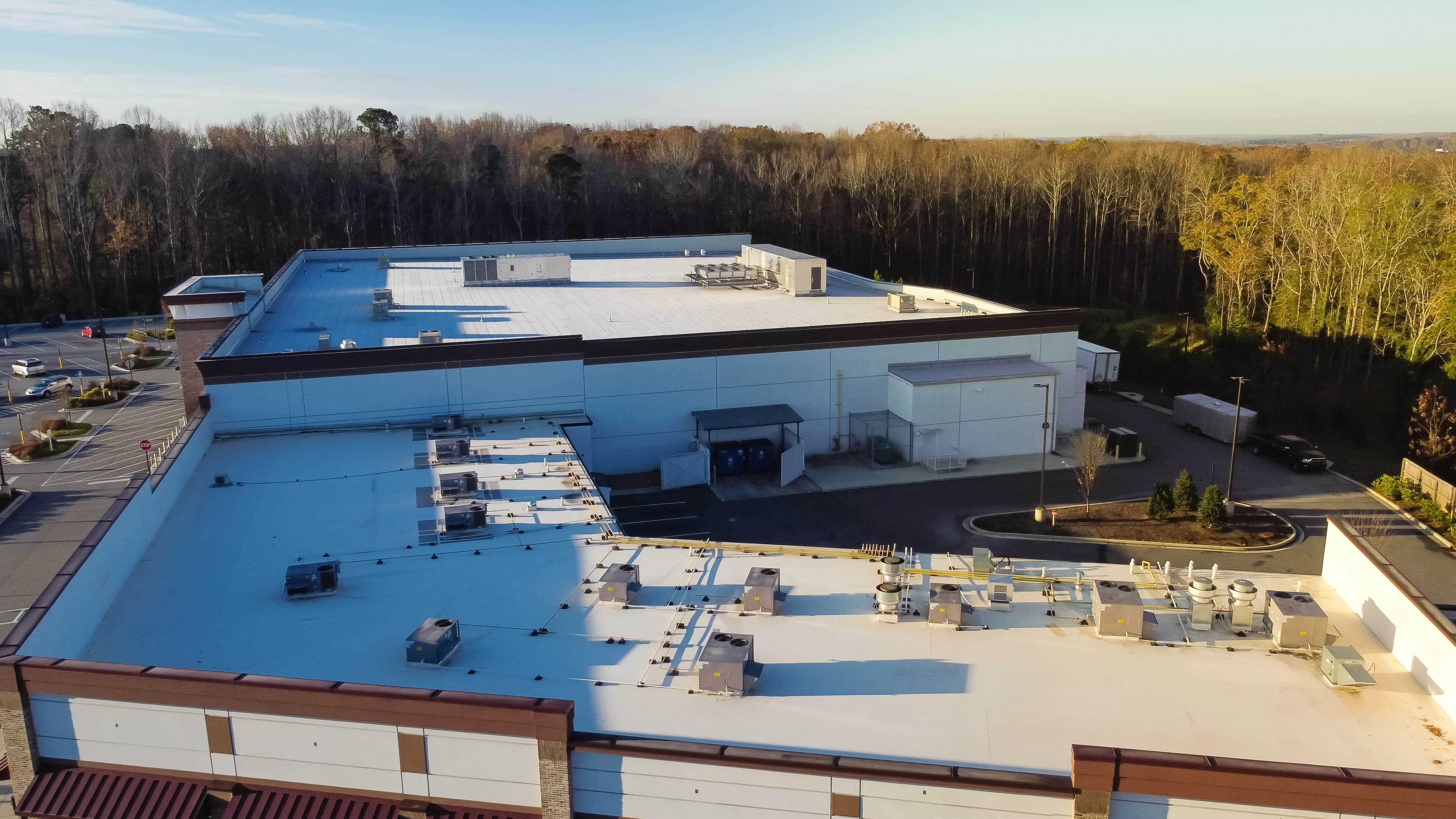
We work across all major low-slope assemblies — TPO, PVC, and EPDM single-ply, modified bitumen, built-up roofing, metal, and silicone or acrylic restoration coatings — and we match the system to the building rather than to a single product line. For museum & cultural facility roofing, that means weighing reflectivity and energy cost, foot traffic and equipment access, fire and wind ratings, and how long the owner intends to hold the asset.
- Roof condition assessments and infrared moisture surveys
- Leak diagnosis and permanent repair
- Re-roof and recover scopes engineered for museum & cultural facility roofing
- Restoration coatings to defer capital replacement
- Preventive maintenance programs with documented inspections
- Storm, hail, and wind damage documentation for claims
Protecting operations during the work
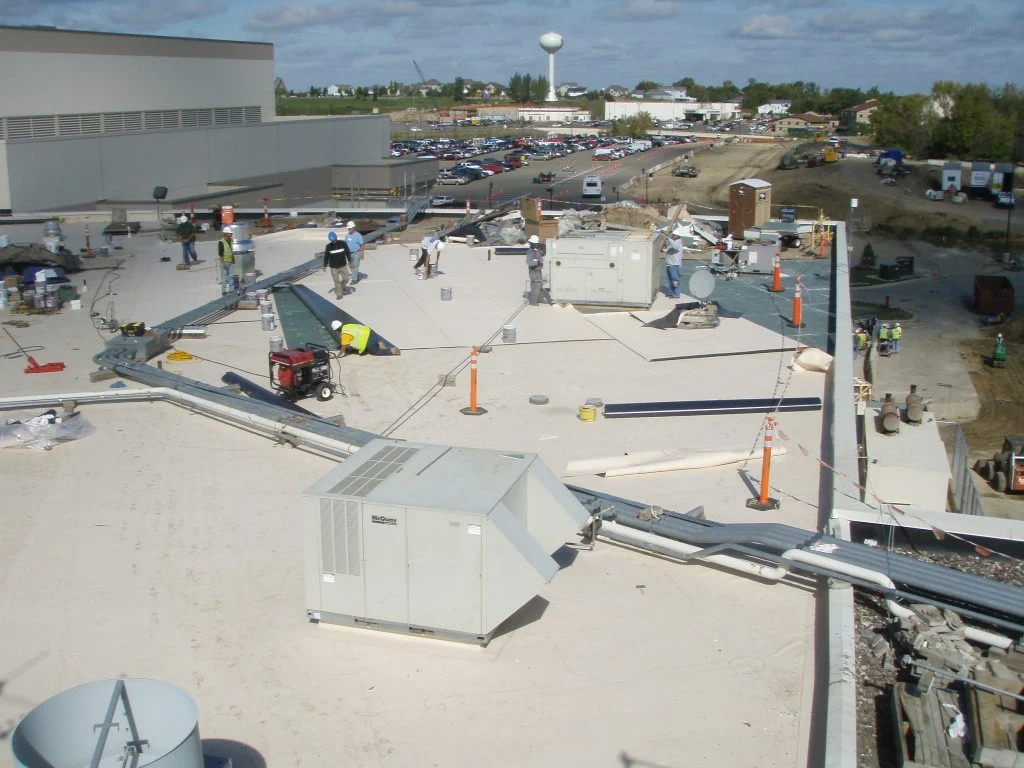
The hardest part of roofing museum & cultural facility roofing is rarely the roof itself — it is doing the work without disrupting what happens below. We sequence projects around occupancy, coordinate with facility staff on access and noise windows, and protect rooftop equipment, intakes, and interiors throughout. Occupied buildings stay open; sensitive operations stay protected.
Every project is backed by documentation: pre-construction photos, daily progress notes, and closeout records including warranty registration and a forward maintenance plan. For owners and managers responsible for museum & cultural facility roofing, that paper trail is what turns a roof from an unpredictable expense into a planned, manageable asset.
Planning the roof as an asset
Most museum & cultural facility roofing owners do not want to think about the roof until it leaks — and by then the cheap fixes are gone. We help you get ahead of that with condition reporting, remaining-service-life estimates, and budget forecasts so a replacement is a scheduled line item, not an emergency. Where a roof still has life, a restoration coating can add years for a fraction of replacement cost.
Call Commercial Roofers Fort Worth to schedule an assessment of your museum & cultural facility roofing roof in Fort Worth. You will get a written scope, clear options, and honest guidance on whether to repair, restore, or replace.
Frequently Asked Questions
How quickly can Commercial Roofers Fort Worth respond to a leak?
For active leaks and water intrusion we prioritize same-day or next-day response across Fort Worth and the surrounding metro. We tarp or make a temporary dry-in immediately to stop interior damage, then schedule the permanent repair once the roof is dry and the source is confirmed. Emergency response is available 24/7, and existing maintenance clients move to the front of the queue.
Do you repair commercial roofs or only replace them?
Both — and we recommend the option the roof actually justifies. Many roofs have years of service life left and only need targeted repairs, flashing work, or a restoration coating. Replacement is recommended only when the membrane is failing, the insulation is saturated, or the cost of ongoing repairs no longer makes sense. You receive a written scope with the reasoning either way.
What roof systems do you install?
We install and service all major low-slope commercial assemblies: TPO, PVC, and EPDM single-ply membranes, modified bitumen, built-up roofing, standing-seam and other metal systems, and silicone or acrylic restoration coatings. We match the system to the building's use, budget, and ownership horizon rather than pushing a single product.
Will the work disrupt our building operations?
We plan around your operations. Projects are sequenced section by section on occupied buildings, access and noise windows are coordinated with facility staff, and rooftop equipment and interiors are protected throughout. Most museum & cultural facility roofing in Fort Worth is completed with minimal disruption to tenants and daily activity.
What documentation do we receive?
Every project includes a documented roof condition assessment up front and a full closeout package at the end: photos, an itemized scope, warranty registration, and a recommended maintenance schedule. That record keeps manufacturer warranties valid and makes future budgeting and capital planning far easier.