Commercial Roof Inspections
Commercial Roofing Services for Fort Worth buildings: commercial roof inspections is reviewed through roof condition, drainage, flashing, access, warranty status, and budget timing.
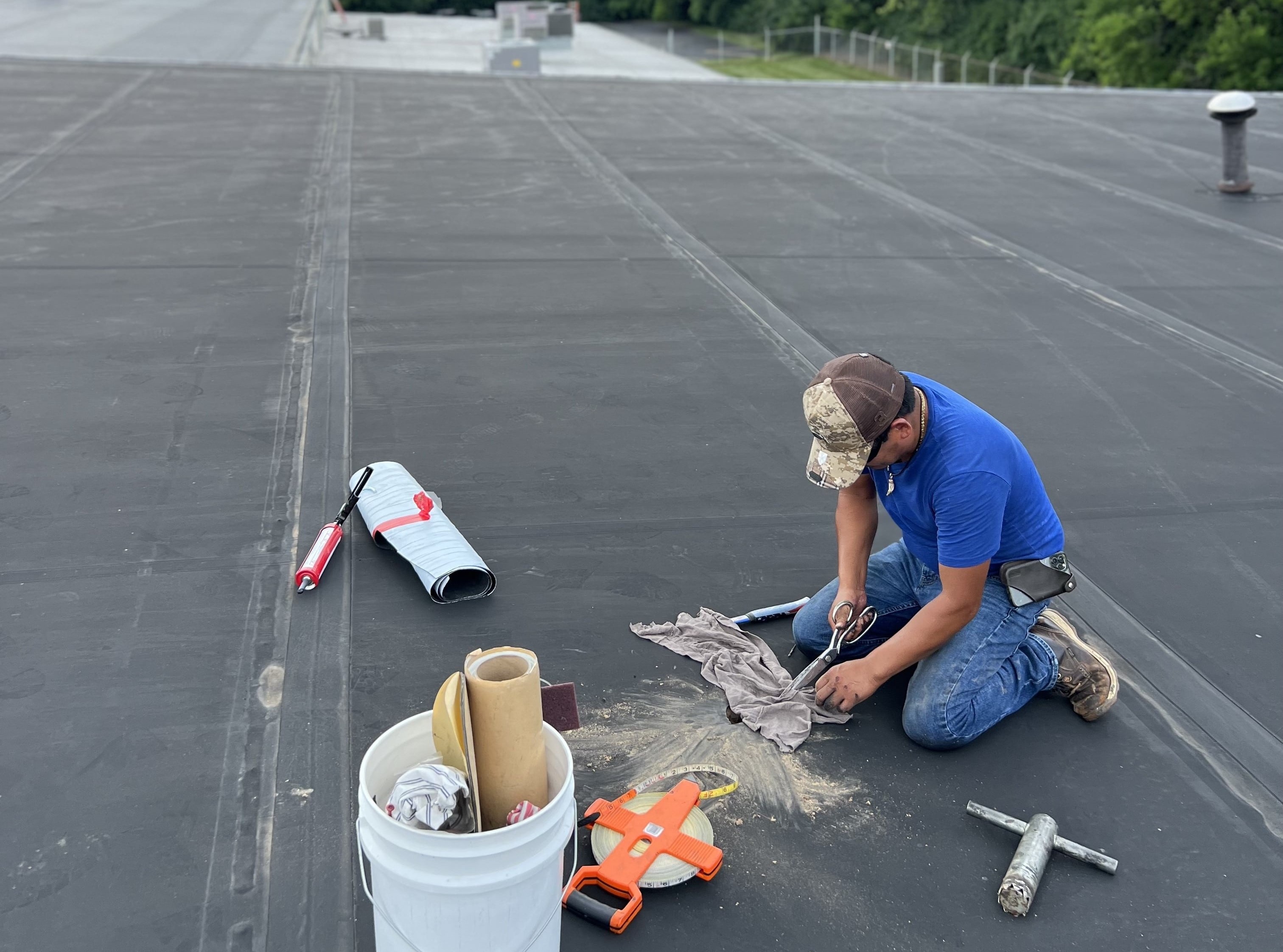
A documented roof inspection is the foundation of every capital-planning decision, warranty compliance requirement, and insurance claim we have worked through for Fort Worth commercial building owners. We walk the roof, photograph the conditions, and hand you a written report you can actually use.
Most Fort Worth commercial leases and insurance policies require that the building owner demonstrate routine maintenance — which means a documented inspection record, not just a verbal assurance that someone looked at the roof. When a claim comes in after a hail event, or when a tenant cites roof condition in a lease dispute, the question is always: what does your inspection record show? Buildings without one are at a significant disadvantage in both situations.
Fort Worth's climate makes semi-annual inspection timing straightforward: one inspection in April or early May (after freeze-thaw season and before peak convective storm season) and one in October or early November (after the summer thermal-cycling months and before winter). That cadence catches the conditions that accumulate through each damage season before they compound into structural problems. For buildings on manufacturer-warranty maintenance programs, the semi-annual schedule is typically a contract requirement, not just good practice.
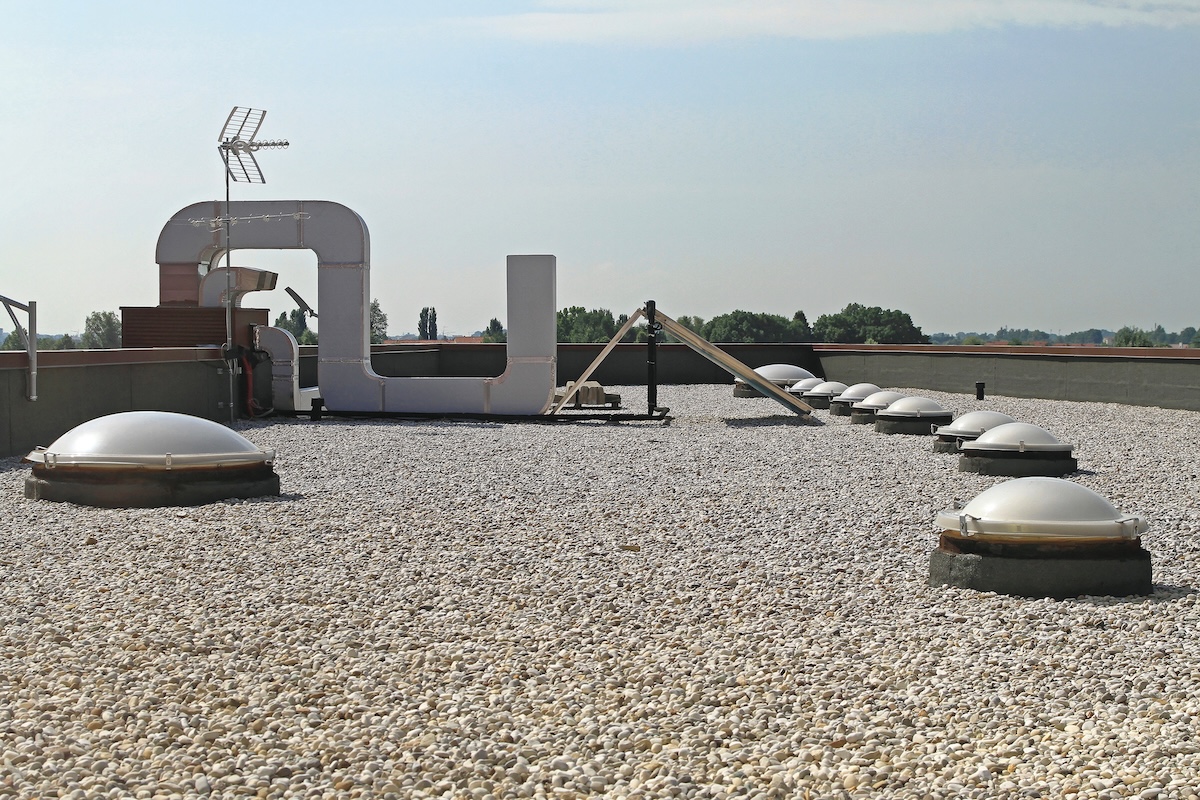
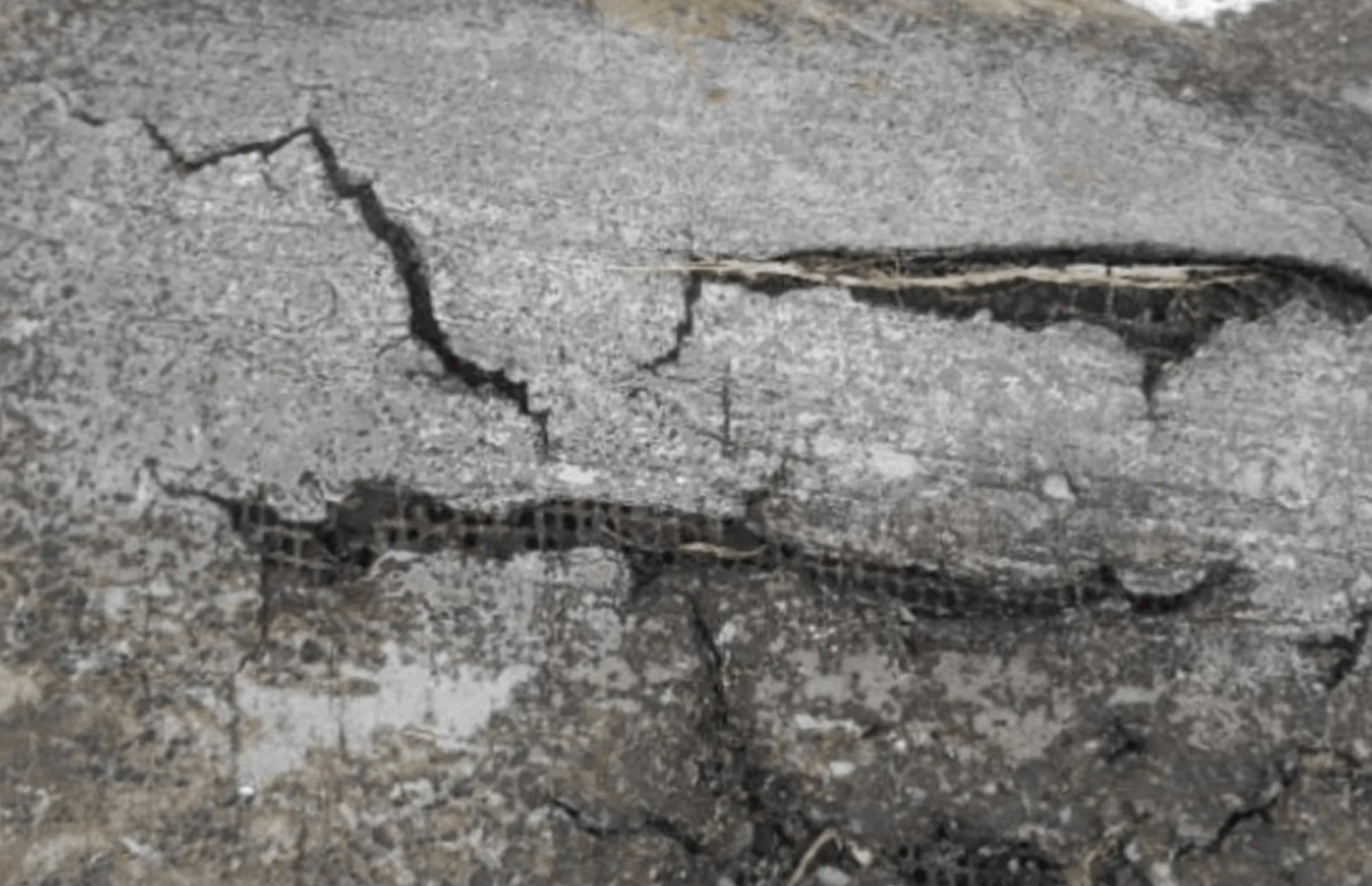
Our inspection protocol covers the full roof assembly — membrane surface, seams, flashings, penetrations, drains and scuppers, parapet walls and cap flashing, equipment curbs, skylights, and expansion joints. We photograph every condition we note, geo-tag the photos, and assemble the report in a format that supports insurance documentation, capital-planning line items, and contractor bid requests. The report goes to you within 48 hours of the roof walk.
What We Walk and Photograph
Membrane surface: We look for blistering, ridging, surface erosion, UV granule loss (on cap sheet systems), ponding-water stain lines, and any visible punctures or tears. Fort Worth's summer rooftop surface temperatures regularly push 160°F on dark roofs — that thermal load accelerates membrane surface degradation faster than in more temperate markets, which is why we track surface condition quantitatively across inspection cycles rather than just noting 'looks OK.'
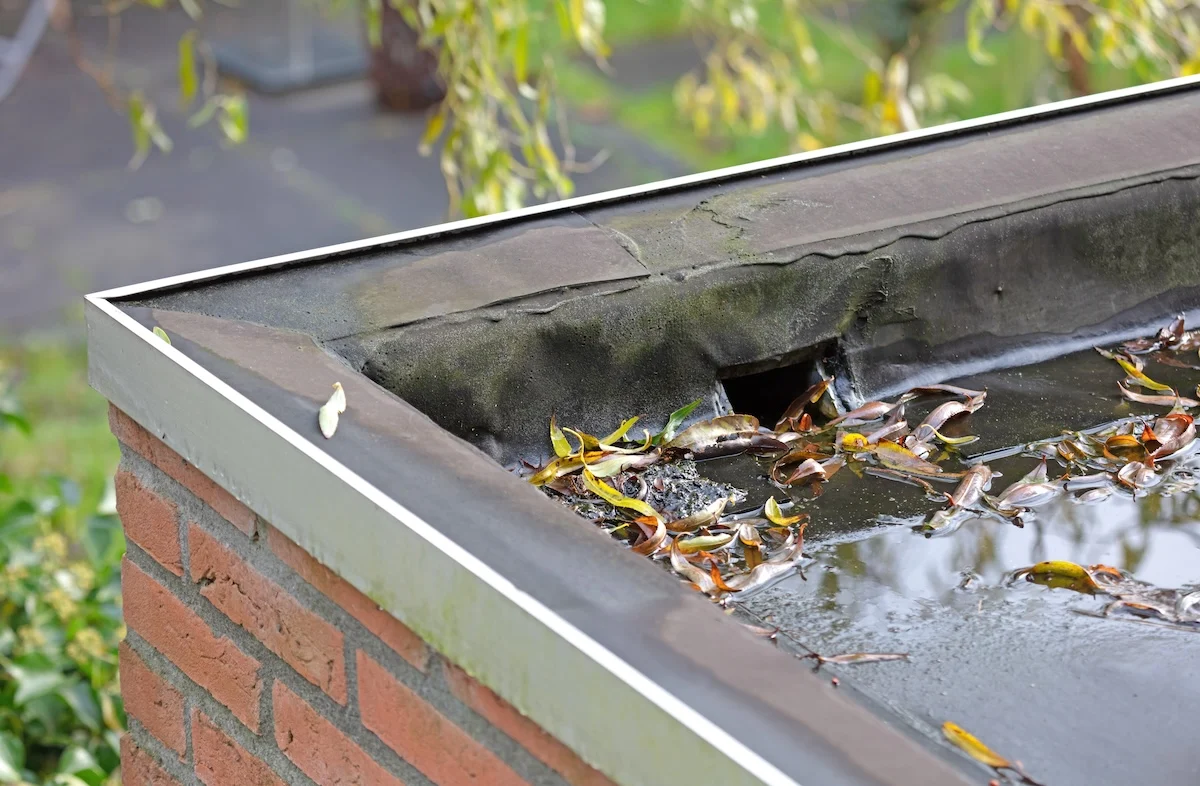
Seams and flashings: Every seam we can walk is probed. T-joint locations (where three membrane layers meet) are high-failure points in heat-welded TPO and PVC systems — we probe each one and photograph any that show separation or edge lifting. Parapet flashings, drain sumps, curb edges, and pipe boots are photographed individually. We document termination bar condition at every interior wall edge.
Drainage: Every internal drain and every scupper gets checked for debris blockage, drain bowl condition, and adequate flow grade in the surrounding membrane. Fort Worth's intense short-duration summer thunderstorms — the city averages about 35 inches of annual precipitation, but significant totals arrive in 2–3 hour windows — stress drainage systems harder than gradual rainfall markets. A partially blocked drain that seems minor on a dry inspection becomes a structural ponding problem in a two-inch-per-hour downpour.
The Report Format and What You Get
Each inspection report is structured in three sections: current conditions (annotated photographs of every noted deficiency), recommended actions (categorized by urgency: immediate, within 90 days, before next inspection cycle, capital replacement horizon), and a roof zone diagram that maps deficiency locations against a labeled overhead diagram of the roof. The zone diagram is the document that makes follow-up contractor bids apples-to-apples — everyone is working from the same map.
For buildings on active manufacturer warranties, the report also documents warranty compliance status. GAF, Carlisle, and Johns Manville each have specific maintenance-activity requirements written into their NDL warranty contracts. If an activity is overdue, we flag it explicitly so the warranty maintenance stays current. A missed maintenance cycle can void the warranty on a 20-year-old roof that still has significant remaining value — we have seen that happen on Near Southside medical office buildings and it is a painful situation for an owner to navigate.
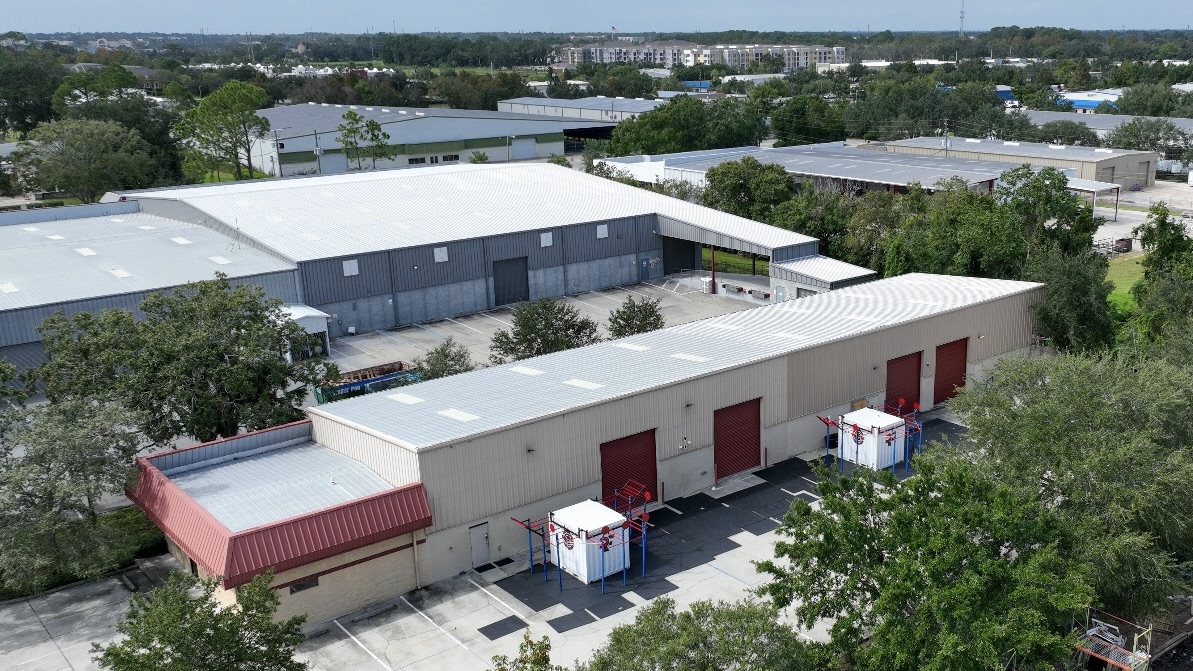
Capital planning data: For owners managing multi-building portfolios in the AllianceTexas industrial corridor or along the Camp Bowie commercial strip, we track inspection data across buildings and across years in a standard format that feeds directly into a capital reserve worksheet. You know which buildings are two years from a reroof decision and which are eight years out — and you can plan funding accordingly.
Annual vs. Semi-Annual — What Fort Worth Buildings Actually Need
Single-inspection-per-year programs are appropriate for buildings with roofs under ten years old, no active warranty compliance requirements, and no recent storm events. Most Fort Worth commercial owners in this category schedule their annual inspection in April or May — after freeze-thaw season closes and before the June convective storm season opens.
Semi-annual programs are the right call for buildings on active NDL warranties (manufacturer requirement), buildings that have been through a documented hail event in the past 24 months, buildings over 20 years old approaching the reroof decision window, and medical office or food-service buildings where any leak creates an immediate operational or regulatory problem. The Near Southside and West 7th mixed-use corridor tends to run heavily semi-annual for exactly those reasons.
Post-storm inspection is a separate service from the annual or semi-annual cycle. After a documented hail event — and Fort Worth averages more significant hail events per year than any other major Texas city — we provide post-storm inspections specifically scoped for insurance-grade hail-damage documentation. That is a different protocol than a maintenance inspection and we keep them separate so the insurance documentation is clean.
Schedule a documented roof inspection for your Fort Worth building.
We walk the roof, photograph every condition, and deliver a written report within 48 hours — structured for capital planning, warranty compliance, or insurance documentation.
Frequently Asked Questions
How long does a commercial roof inspection take on a Fort Worth building?
For a single-story building under 30,000 square feet, the roof walk itself runs 60–90 minutes. 50,000–100,000 square feet runs two to three hours. AllianceTexas-scale distribution buildings over 200,000 square feet may require a full day. The written report takes an additional 24–48 hours to compile and deliver. We do not rush the documentation — the report is the deliverable, not just the walk.
Do you inspect buildings you did not install?
Yes, most of the inspections we do are on buildings we did not originally build or recover. We can assess the condition of any commercial flat roof regardless of who installed it, what membrane system it uses, or how old it is. If we need historical documentation (original installation records, prior inspection reports, warranty documents), we will note what is missing in the report and work from what we can observe in the field.
Can an inspection report support a hail insurance claim?
A maintenance inspection report is not a substitute for a post-storm hail-damage inspection, which uses a different documentation protocol. But a maintenance inspection report from before the storm is valuable supporting evidence — it establishes the pre-storm baseline condition of the membrane, seams, and flashings. That baseline documentation makes it harder for an insurer to attribute storm damage to pre-existing maintenance failures. We recommend owners keep their inspection records current precisely for this reason.
What does a Fort Worth commercial roof inspection cost?
Inspection pricing scales with roof size and complexity. Single-story buildings under 50,000 square feet typically run in the range where the report cost is covered by the first maintenance item it catches before it becomes a water-intrusion event. We are happy to quote a specific building — call 817-398-5307 or email contact@commercialroofersfortworth.com.