Multifamily Roofing
Commercial Property Roofing for Fort Worth buildings: multifamily roofing is reviewed through roof condition, drainage, flashing, access, warranty status, and budget timing.
Multifamily roofing means working above occupied apartments — residents who are home during the day, who have noise thresholds, and who signed a lease that did not include a construction project above their bedroom. How you manage that relationship is as important as how you manage the roof.
Fort Worth's Near Southside neighborhood — the area bounded roughly by I-30, South Main, Rosedale, and the Trinity River — has seen significant residential conversion activity over the past and Henderson Street have become loft apartments. Those buildings carry original flat roofs that were designed for industrial or commercial use, not residential occupancy, and they are hitting replacement cycles with residents inside.
The Cultural District along University Drive and Camp Bowie has a cluster of apartment buildings constructed in the 2000s and 2010s that are now in first major replacement cycles. These are standard stick-frame or concrete multifamily buildings with flat or low-slope roofs, and they are occupied — typically at 90%-plus — when the roof project happens.
Occupied-unit roofing work has a specific set of constraints that we address before we start. Residents get written notice. The construction schedule identifies which building sections are active on which days. Noise-sensitive windows — early morning before 7 AM, late evening after 8 PM — are off-limits for tear-off without prior written agreement from the property manager. We track resident complaints and respond to them the same day.
Near Southside Loft Conversions — What the Roof Actually Looks Like
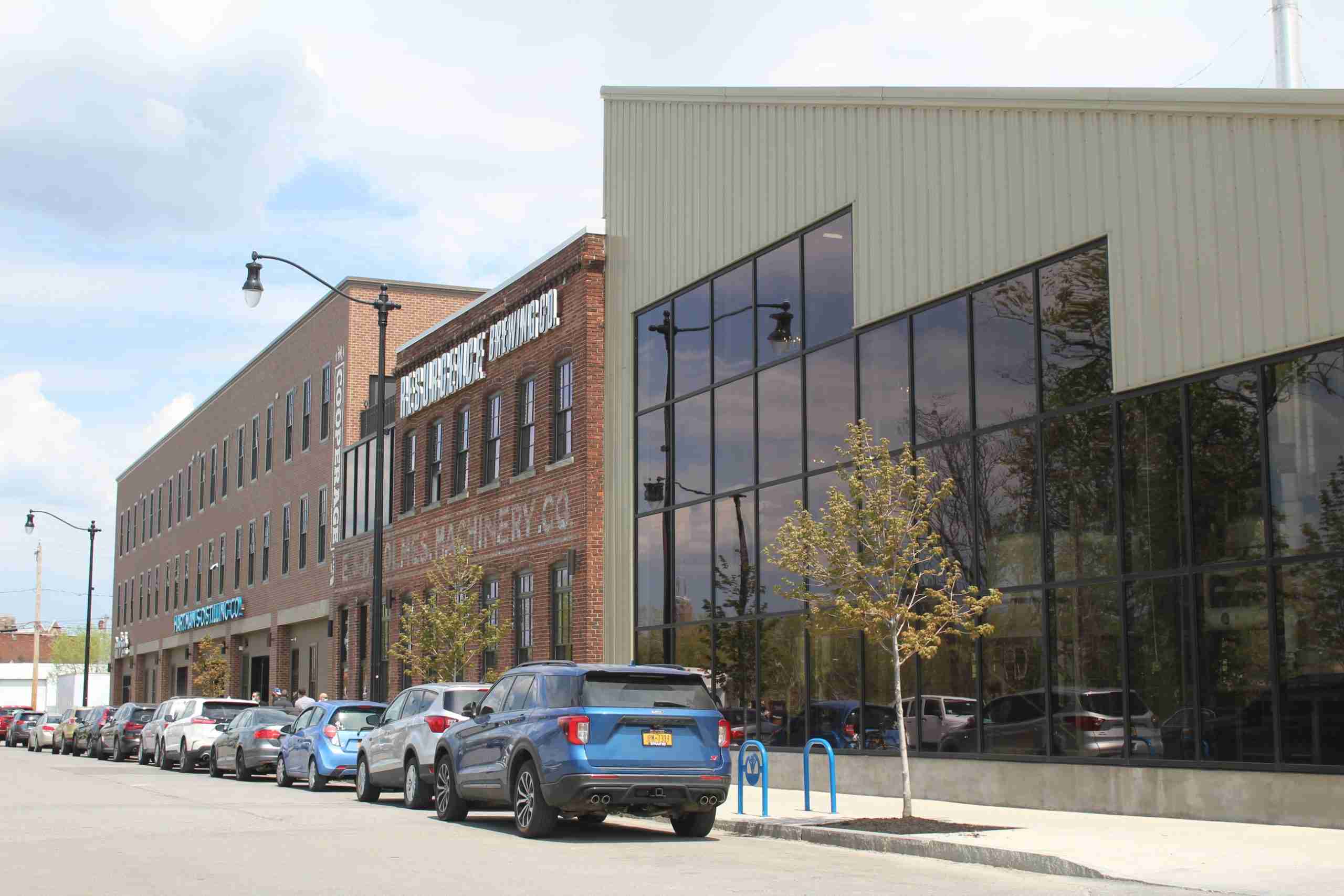
The historic warehouse and commercial buildings in Near Southside were built between roughly 1910 and 1960. Their original roofs were built-up systems (tar and gravel, or mop-applied asphalt with aggregate ballast) on wood plank decking or early concrete. By the time a building like this hits its current conversion-era replacement cycle, it may have been recovered two or three times. The deck condition under all those layers is the real question.
We pull deck inspection ports at grid intervals on Near Southside buildings before we commit to a replacement scope. Wood plank decking from the 1920s can be in surprisingly good condition, or it can have moisture-driven rot at fastener points that requires deck board replacement before any new membrane goes down. Concrete decks from mid-century construction are usually sound but may have cracking at expansion joints that needs to be addressed before new insulation and membrane.
The architectural character of Near Southside buildings — exposed brick facades, historic parapet profiles, original industrial windows — means roofing work has to be completed without damaging the exterior elements that define the building's appeal to residents and that often carry historic tax credit implications for the owner.
Occupied-Unit Work Protocols
Our occupied-unit protocol starts with the property manager. They have the resident communication infrastructure — the resident app, the building notice board, the emergency contact list. We provide the written notice template and the production schedule; they distribute it. Any change to the production schedule that affects residents gets communicated through the property manager at least 48 hours in advance.
Debris containment around a multifamily building is more controlled than on a commercial property because residents are walking the building perimeter during work hours. We run debris netting on the building face, use covered chutes for tear-off material, and close affected ground-level areas to residents during active overhead work. A resident getting hit by a falling piece of tear-off material is an injury and a lawsuit — we treat that risk as zero-tolerance.
Managing a multifamily roof replacement in Fort Worth?
We will build a resident-sensitive sequencing plan, provide the written notice package, and deliver a reroof that the property manager can stand behind when residents ask how it was handled.
Frequently Asked Questions
Our residents work from home and cannot have loud construction all day. How do you handle that?
We identify the work phases with the most noise impact — tear-off and fastener installation — and schedule them for a defined window, typically 7 AM to 1 PM. Membrane welding and insulation installation are quieter and can run through the afternoon. We do not guarantee silence during construction, but we give residents a predictable schedule so they can plan around it.
Do you work on Near Southside loft conversions with historic character?
Yes, that is a specific part of our Fort Worth work. The key issues on historic conversions are deck condition (often unknown until opened), parapet detailing that respects the original masonry profile, and membrane selection that handles the thermal movement of old buildings that were not designed to code energy standards. We have done this in the Magnolia and Henderson corridors.
How do you handle an emergency leak in an occupied apartment unit?
Same-day response for any active leak in an occupied unit — we treat it as an emergency regardless of whether we are under a project contract or a maintenance contract. The resident does not sleep under a leak. We identify the source, install a temporary repair, and schedule the permanent fix in coordination with the property manager and the affected resident.
What notice do residents get before roofing starts?
We provide the property manager a written notice package at least 2 weeks before project start — start date, expected project duration, daily work hours, what residents will hear and when, and the property manager's contact for questions. The property manager distributes it through their resident communication channel. We do not contact residents directly unless the property manager specifically requests that.
Roofing for multifamily roofing across Fort Worth
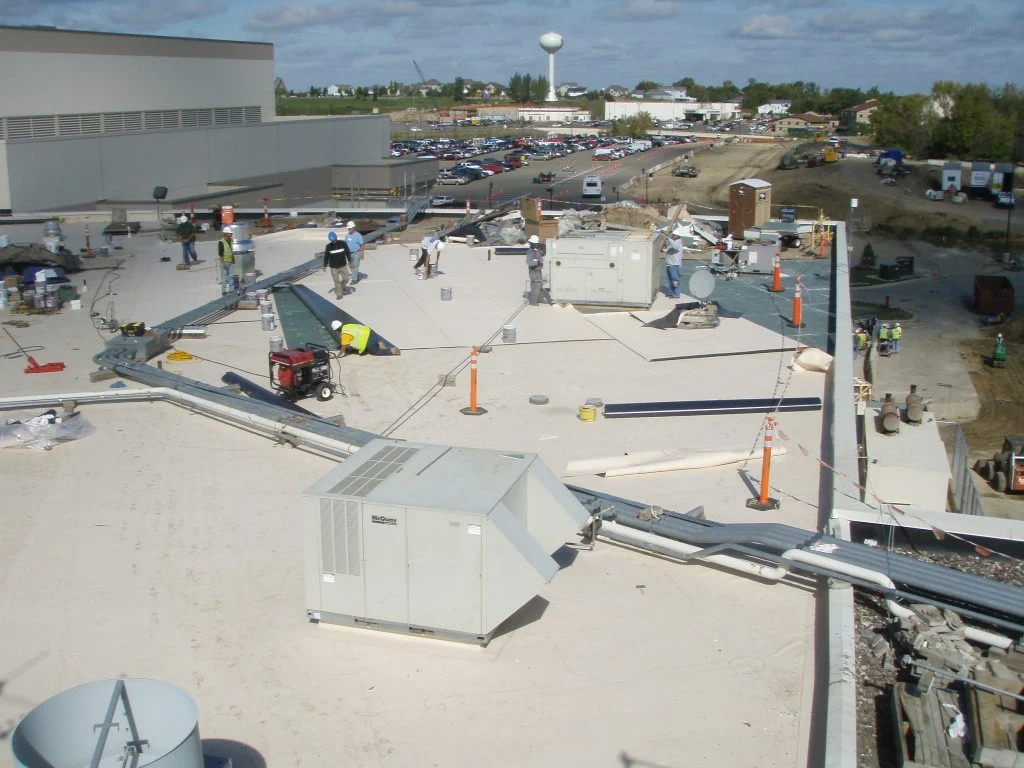
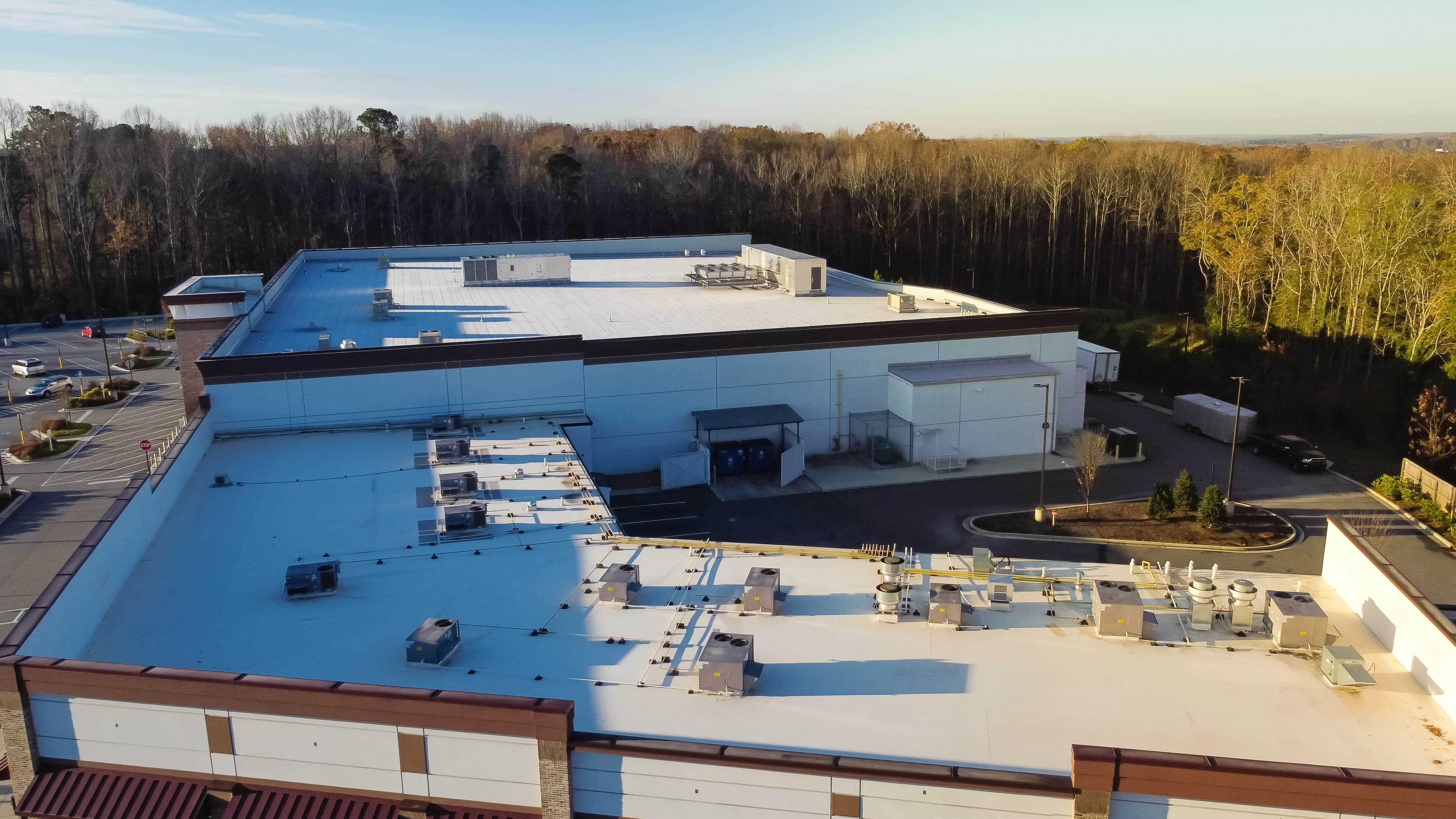
Commercial Roofers Fort Worth specializes in the roof systems that fit multifamily roofing — and the operational realities that come with them. These buildings carry specific demands: rooftop mechanical loads, tenant or occupant continuity, code and warranty requirements, and budgets that have to be planned years ahead. We bring commercial-only expertise to every multifamily roofing roof in the Fort Worth, TX market, from inspection through replacement.
We work across all major low-slope assemblies — TPO, PVC, and EPDM single-ply, modified bitumen, built-up roofing, metal, and silicone or acrylic restoration coatings — and we match the system to the building rather than to a single product line. For multifamily roofing, that means weighing reflectivity and energy cost, foot traffic and equipment access, fire and wind ratings, and how long the owner intends to hold the asset.
- Roof condition assessments and infrared moisture surveys
- Leak diagnosis and permanent repair
- Re-roof and recover scopes engineered for multifamily roofing
- Restoration coatings to defer capital replacement
- Preventive maintenance programs with documented inspections
- Storm, hail, and wind damage documentation for claims
Protecting operations during the work
The hardest part of roofing multifamily roofing is rarely the roof itself — it is doing the work without disrupting what happens below. We sequence projects around occupancy, coordinate with facility staff on access and noise windows, and protect rooftop equipment, intakes, and interiors throughout. Occupied buildings stay open; sensitive operations stay protected.
Every project is backed by documentation: pre-construction photos, daily progress notes, and closeout records including warranty registration and a forward maintenance plan. For owners and managers responsible for multifamily roofing, that paper trail is what turns a roof from an unpredictable expense into a planned, manageable asset.
Planning the roof as an asset
Most multifamily roofing owners do not want to think about the roof until it leaks — and by then the cheap fixes are gone. We help you get ahead of that with condition reporting, remaining-service-life estimates, and budget forecasts so a replacement is a scheduled line item, not an emergency. Where a roof still has life, a restoration coating can add years for a fraction of replacement cost.
Call Commercial Roofers Fort Worth to schedule an assessment of your multifamily roofing roof in Fort Worth. You will get a written scope, clear options, and honest guidance on whether to repair, restore, or replace.
Frequently Asked Questions
How quickly can Commercial Roofers Fort Worth respond to a leak?
For active leaks and water intrusion we prioritize same-day or next-day response across Fort Worth and the surrounding metro. We tarp or make a temporary dry-in immediately to stop interior damage, then schedule the permanent repair once the roof is dry and the source is confirmed. Emergency response is available 24/7, and existing maintenance clients move to the front of the queue.
Do you repair commercial roofs or only replace them?
Both — and we recommend the option the roof actually justifies. Many roofs have years of service life left and only need targeted repairs, flashing work, or a restoration coating. Replacement is recommended only when the membrane is failing, the insulation is saturated, or the cost of ongoing repairs no longer makes sense. You receive a written scope with the reasoning either way.
What roof systems do you install?
We install and service all major low-slope commercial assemblies: TPO, PVC, and EPDM single-ply membranes, modified bitumen, built-up roofing, standing-seam and other metal systems, and silicone or acrylic restoration coatings. We match the system to the building's use, budget, and ownership horizon rather than pushing a single product.
Will the work disrupt our building operations?
We plan around your operations. Projects are sequenced section by section on occupied buildings, access and noise windows are coordinated with facility staff, and rooftop equipment and interiors are protected throughout. Most multifamily roofing in Fort Worth is completed with minimal disruption to tenants and daily activity.
What documentation do we receive?
Every project includes a documented roof condition assessment up front and a full closeout package at the end: photos, an itemized scope, warranty registration, and a recommended maintenance schedule. That record keeps manufacturer warranties valid and makes future budgeting and capital planning far easier.