Built-Up Roofing
Commercial Roofing Services for Fort Worth buildings: built-up roofing is reviewed through roof condition, drainage, flashing, access, warranty status, and budget timing.
Fort Worth's downtown commercial inventory still carries a significant BUR population — some on roofs installed in the 1970s and 1980s that have outlasted three rounds of owners. We assess them honestly and tell you what the scope actually is.
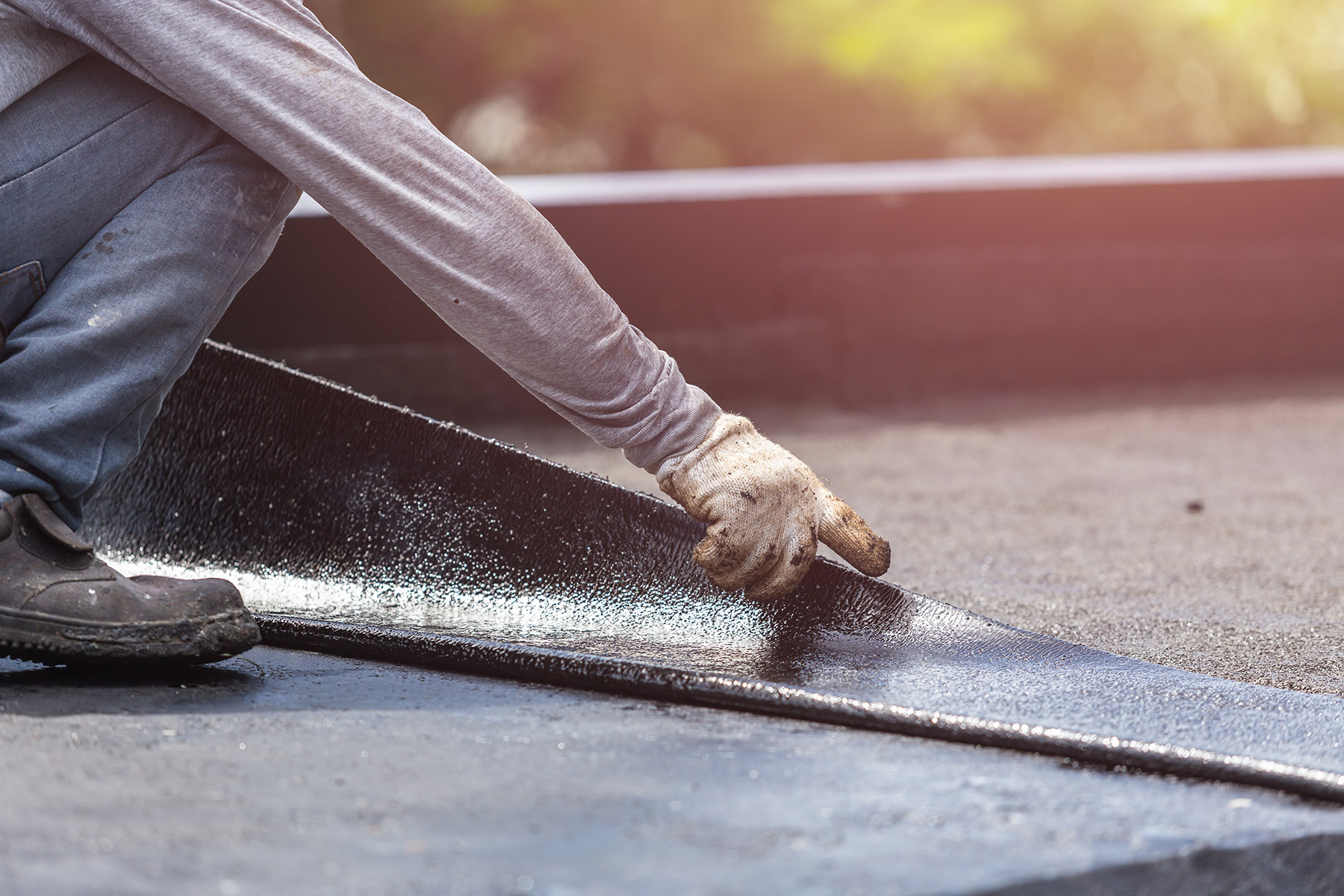
Built-up roofing (BUR) — alternating layers of bitumen and reinforcing ply sheets, typically three to five plies, finished with a flood coat and aggregate or a cap sheet — was the standard commercial flat roofing system in Fort Worth from roughly , Commerce Street, and the blocks around the Tarrant County Courthouse were built with BUR. Many of the warehouse and industrial buildings in the 7th Street historic district and the Near Southside corridor still carry original or once-recovered BUR systems.
We are not in the business of selling BUR replacements when repair or recover is the honest scope. A properly installed coal-tar BUR system from the 1970s can still be performing — coal tar is self-healing at summer surface temperatures, which is why some of these roofs have outlasted three rounds of single-ply membranes installed next door. But we are also not in the business of patching a BUR system that has reached the end of its life. When core pulls show saturated insulation across more than 25 percent of the roof, when the ply sheets have delaminated from the deck in multiple bays, or when the aggregate flood coat has weathered down to bare felt — that is a replacement scope, and we say so.
Our BUR work across the Fort Worth downtown corridor has included condition assessments for office building owners deciding whether to sell or hold, repair scopes for building managers trying to extend a legacy BUR through the next two years of a leasing cycle, and full replacement scopes for buildings where the BUR finally failed. We do all three.
Assessing a Fort Worth BUR — What We Document
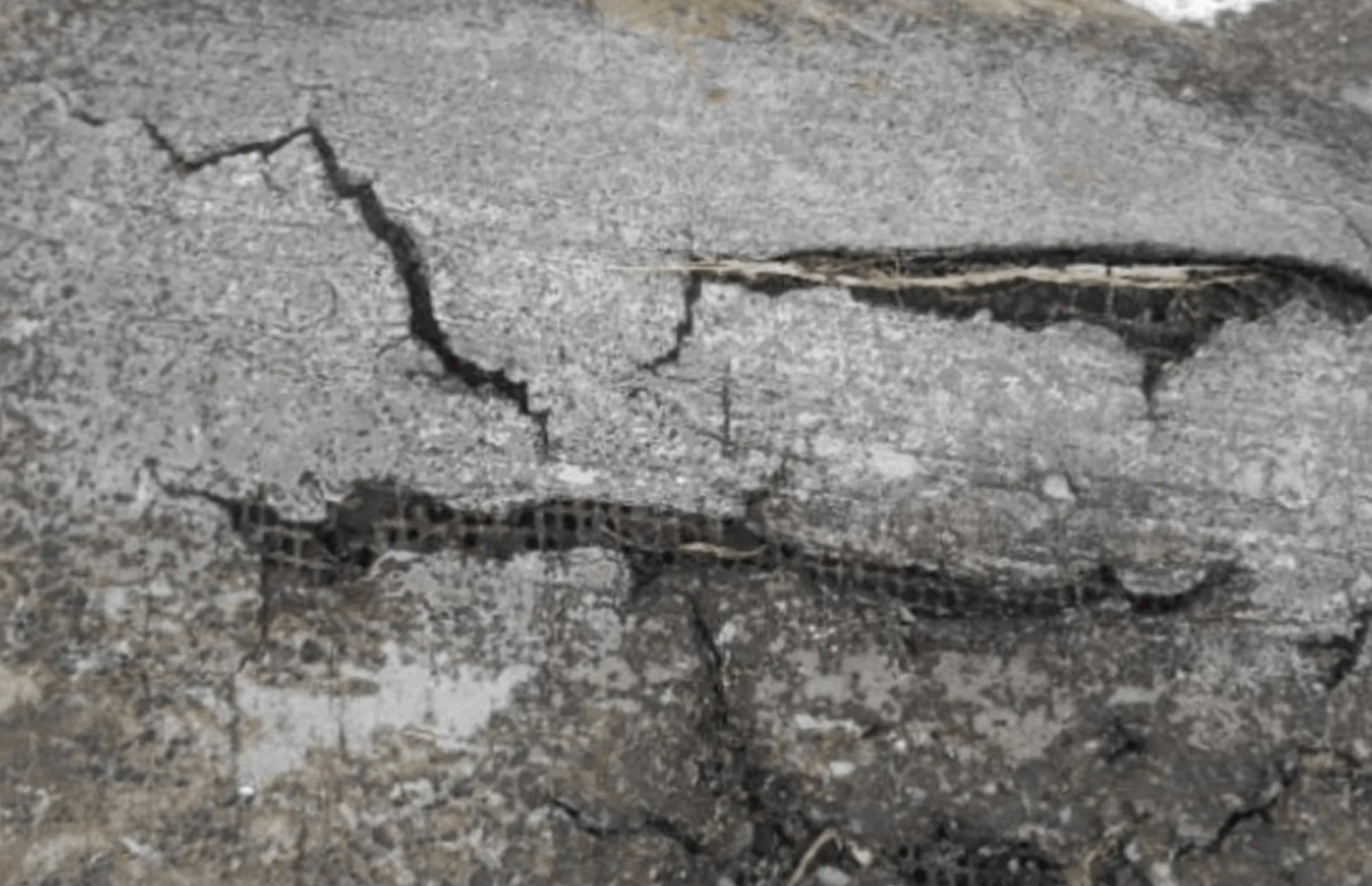
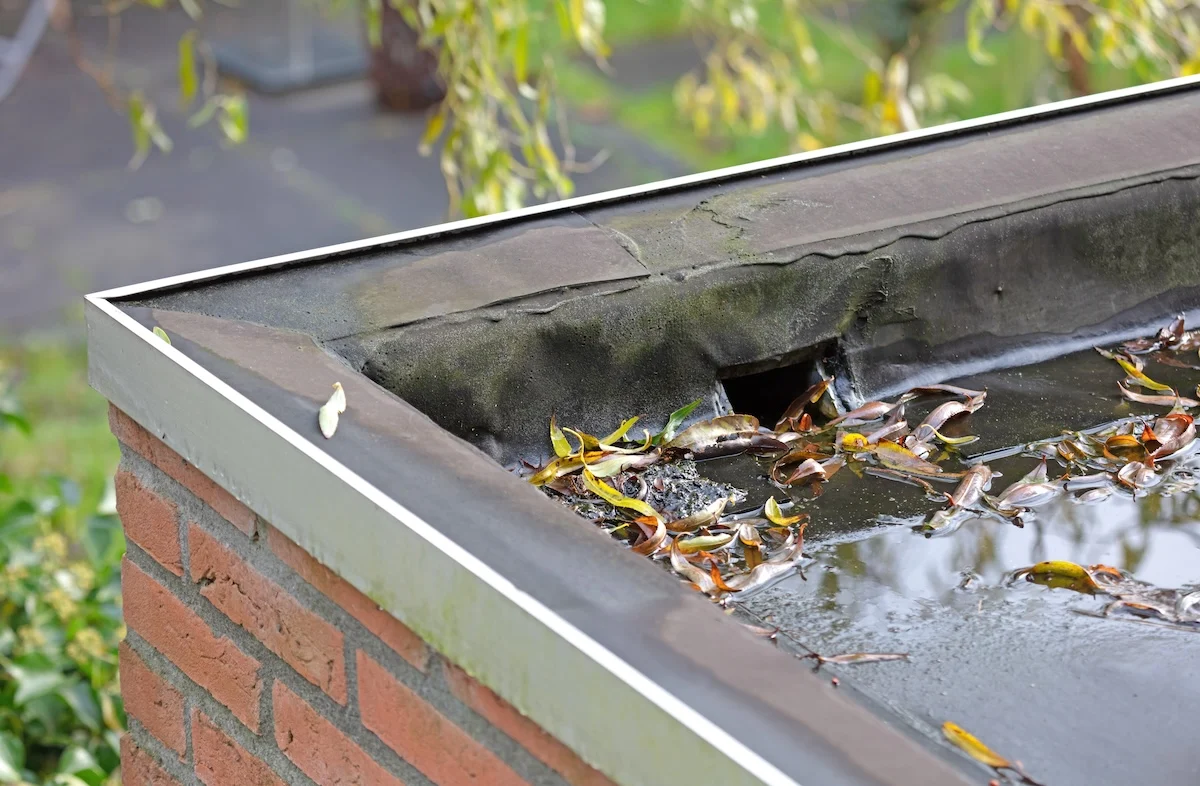
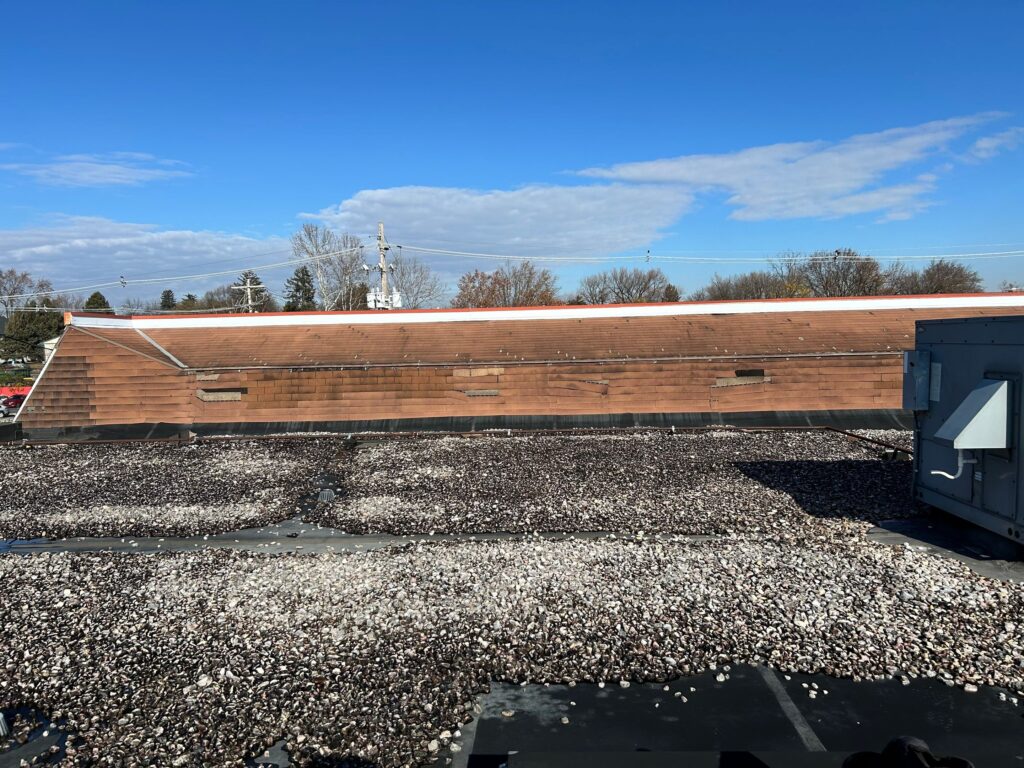
A proper BUR condition assessment starts with a roof walk, not a drone flyover. We probe the surface for soft spots (saturated insulation manifests as spongy deflection under foot load), document blistering patterns (surface blisters indicate vapor drive and delamination between plies), map alligatoring (surface oxidation cracking that indicates bitumen embrittlement), and document every area of aggregate loss, membrane split, and flashing failure.
We pull moisture cores in a minimum of five representative locations plus one core at every soft-spot area. BUR moisture cores are more complex to read than single-ply cores because the multiple-ply assembly can hold moisture between plies that does not appear saturated at the bottom insulation layer. We photograph the core at each ply separation and report the saturation pattern across the full thickness.
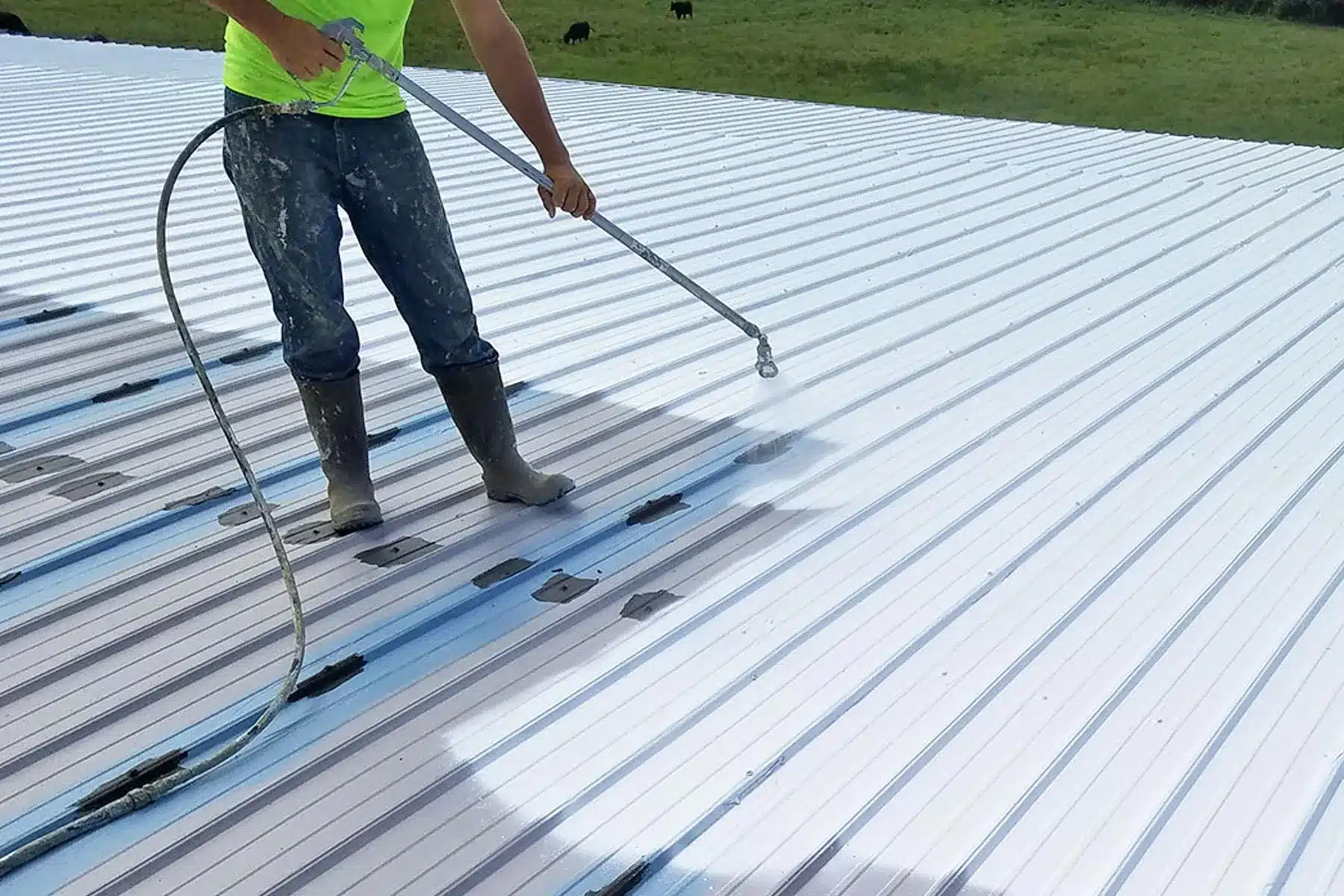
The written condition report identifies every defect by zone on the roof diagram, rates the overall system condition (Good/Fair/Poor/End-of-Life), and produces three repair options: (1) targeted repair of isolated failures for roofs in Good or Fair condition, (2) silicone restoration coating where the BUR surface is stable but weathered, and (3) full replacement with recover-vs-replacement analysis for Poor and End-of-Life systems. Option 3 includes the moisture-core data that justifies the recommendation.
When Full Replacement Is the Honest Call
A Fort Worth BUR that shows more than 25 percent wet insulation in core pulls, multiple ply delaminations across the field, and failed flashing at more than half the penetrations is not a candidate for coating or repair. Coating a failing BUR traps moisture and delays the failure by one to three years while compounding the eventual replacement cost — wet insulation expands during freeze cycles and accelerates deck corrosion. We document this in writing before we recommend replacement.
Deck condition often drives the scope decision on older downtown Fort Worth buildings. The mid-century office towers along Houston Street were built with gypsum-formboard decks over bar joists — a deck assembly that is moisture-sensitive and that fails structurally when the BUR above it has been leaking for years. When we pull cores and find gypsum deck that has turned to powder, the scope includes deck replacement, and the project cost changes substantially. We identify this before the contract is signed.
We replace BUR with the system that fits the building's capital horizon and owner requirements. For most downtown Fort Worth office buildings, 60-mil TPO mechanically attached with tapered polyiso insulation is the replacement standard — it carries a 20-year manufacturer NDL warranty, meets current City of Fort Worth energy code, and is compatible with the existing metal deck or new plywood substrate over replaced gypsum deck. For buildings where the owner wants longer service life and is willing to pay for it, we specify modified bitumen or standing seam over a new substrate.
Fort Worth BUR Buildings — What We've Seen
The BNSF Railway administrative building cluster in the Near Southside carried original coal-tar BUR installed circa 1968 through its 2019 inspection — still performing, with targeted repairs to flashing failures at rooftop equipment curbs. We documented the condition and recommended a two-year maintenance plan that extended the system to a planned replacement in 2021 aligned with a lease renewal cycle.
Several of the Sundance Square parking structure ancillary buildings in the blocks around 3rd and Main Streets carried asphalt-base BUR from the 1980s that had been surface-coated twice with aluminum fibrated coating. The coating masked deterioration: our core pulls found two of the three ply sheets delaminated in the field and saturated insulation at 40 percent of cores. Replacement was the only scope that made sense.
The Fort Worth Livestock Exchange Building complex in the Stockyards — a different building inventory from the Sundance Square office corridor — includes ancillary commercial structures with BUR dating to the 1950s. Historic preservation constraints limit the replacement systems we can specify there. We coordinate with the Texas Historical Commission standards before scoping work on contributing structures.
Have an aging BUR on a downtown Fort Worth building?
We will pull moisture cores, document every failure mode, and give you a written condition report with a clear replace-vs-repair recommendation — with the core data to back it up.
Frequently Asked Questions
Can an old Fort Worth BUR roof be coated instead of replaced?
Sometimes. BUR systems with stable, intact ply sheets and dry insulation are candidates for silicone fluid-applied restoration coating. The surface needs to be clean, the blisters need to be cut and repaired, and the flashing details need to be re-done before coating. We pull moisture cores to verify the insulation is dry before recommending coating. If more than 15 percent of cores read wet, coating is not the right answer — you are coating over a wet insulation problem that will continue to grow under the new waterproofing layer.
How much life is left in a Fort Worth BUR that is 30 years old?
It depends entirely on the original installation quality, the maintenance history, and the number and quality of prior repairs. We have seen 40-year-old coal-tar BUR systems in downtown Fort Worth that are still watertight with minor flashing maintenance. We have seen 15-year-old asphalt-base BUR systems that have failed completely. Age is not the determining factor — condition is. A written condition assessment with core pulls is the only way to answer this question for a specific building.
Do you pull permits for BUR replacement in Fort Worth?
Yes. City of Fort Worth requires a building permit for full roof replacement. The permit covers plan review for energy code compliance (insulation R-value to IECC 2021 minimum), wind uplift design, and the construction inspection sequence. We handle the permit application and coordinate the inspections — permit fees pass through at cost. For suburb cities (Arlington, Hurst, Euless, Bedford, North Richland Hills), permit requirements and timelines vary and we manage those separately per city.