Modified Bitumen Roofing
Commercial Roofing Services for Fort Worth buildings: modified bitumen roofing is reviewed through roof condition, drainage, flashing, access, warranty status, and budget timing.
Modified bitumen is the legacy membrane on a large part of Fort Worth's downtown office and Camp Bowie retail inventory. We do recover work, full replacement, and the repair scopes that extend these roofs to their capital horizon.
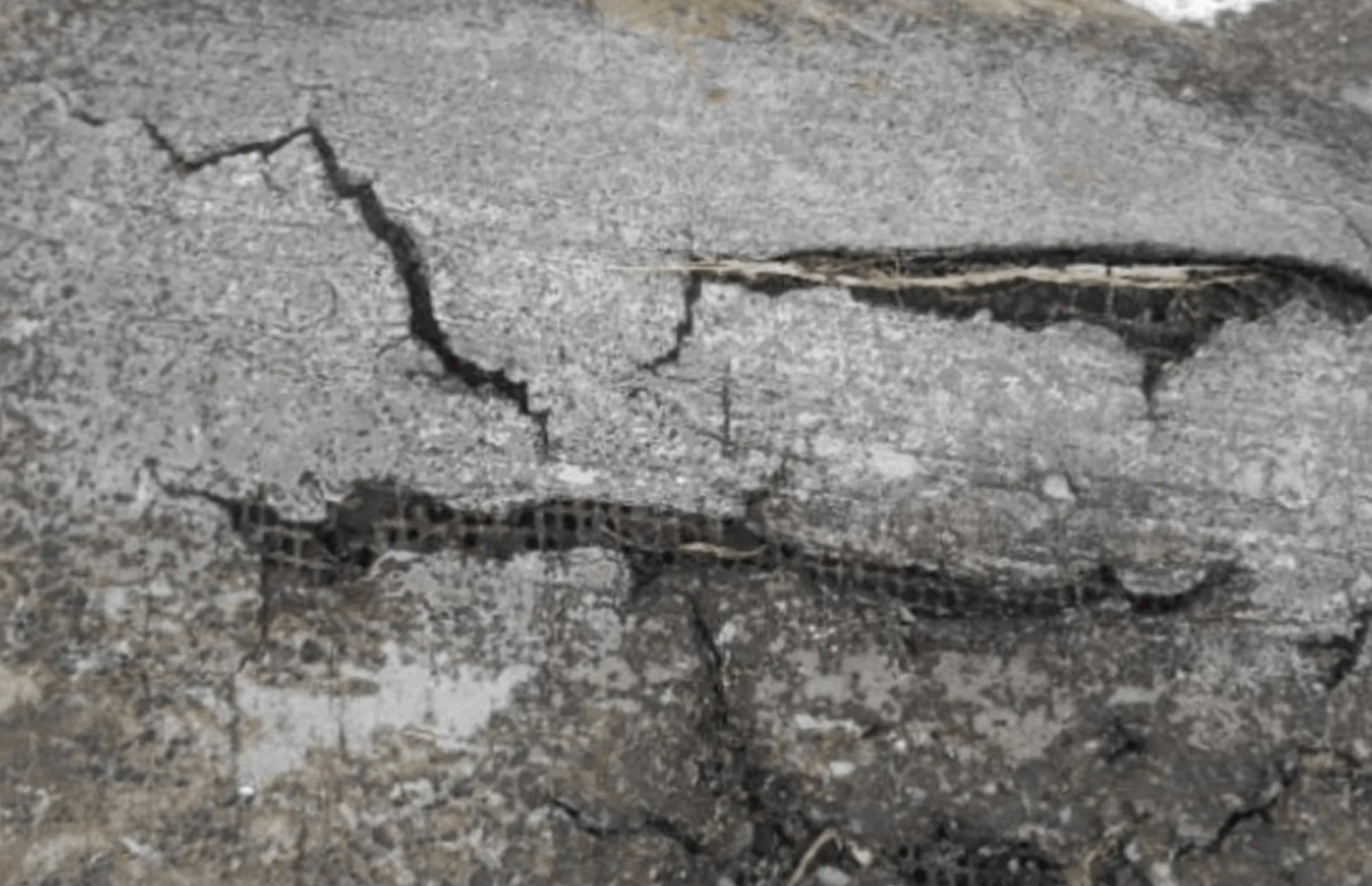
Modified bitumen (mod-bit) is not a declining specification — it is an evolving one. The APP and SBS polymer-modified bitumen membranes installed on Fort Worth commercial buildings from the mid-1980s through the early 2000s are now at or past their warranted service life, creating a significant replacement wave across downtown's Class B and C office inventory, the Camp Bowie retail strip, and the older Near Southside commercial buildings adjacent to the medical district. These buildings are our mod-bit replacement volume.
At the same time, SBS cold-applied and torch-applied systems remain legitimate new-construction specifications for specific building types — particularly low-slope roofs with complex geometry, multiple drainage levels, and irregular penetration layouts where single-ply membrane detailing is labor-intensive and the additional ply count of a mod-bit system provides redundancy that single-ply cannot match in the same installed cost band. We specify new mod-bit where the building calls for it, not as a default.
The downtown Fort Worth office corridor between Sundance Square and the Tarrant County courthouse contains the densest concentration of aging mod-bit roofs in the metro. These buildings — many of them 1970s and 1980s concrete-frame structures — sit on the geological transition between Eastern Cross Timbers limestone substrate and Blackland Prairie clay. That transition drives parapet movement and building joint activity that accelerates mod-bit flashing failure at counterflashings and expansion joints. We see this pattern on buildings throughout the 7th Street to Lancaster Avenue corridor.
Where Modified Bitumen Still Makes Sense
Multi-level roofs with complex drainage patterns: Mod-bit's multiple-ply application means each layer can be stepped at level transitions without the difficult single-ply membrane flashing details that create leak risk at grade changes. Buildings in the Sundance Square district with terraced roof layouts, setback floors, and mechanical penthouses on upper levels often specify mod-bit for the complex middle levels even when single-ply goes on the primary roof field.
Recover over existing mod-bit or built-up roof (BUR): SBS cold-applied mod-bit is one of the most compatible recover systems for aging Fort Worth BUR and cap-sheet roofs that do not yet have wet insulation. The existing roof's gravel or mineral-surfaced cap provides mechanical adhesion for the cold-applied bitumen, and the new SBS ply adds a second waterproofing layer without adding significant dead load — a concern on 1970s-1980s Fort Worth office buildings with structural systems designed to older load standards.
Buildings with foot-traffic zones and mechanical-equipment-heavy rooftop layouts: Granulated SBS cap sheets provide the highest foot-traffic resistance of any low-slope membrane. Buildings with weekly or more frequent rooftop maintenance traffic — HVAC-intensive buildings in the medical corridor near Cook Children's or the NAS JRB-adjacent facilities in west Fort Worth — often benefit from mod-bit's durability in traffic areas even if single-ply handles the field.
Replacing the Downtown Fort Worth Mod-Bit Generation
The 1980s-1990s downtown office buildings present specific challenges on mod-bit replacement: confined staging areas (Sundance Square parking structures are full on business days), crane access restricted to early-morning and weekend windows through the Historic and Cultural Landmarks districts, and asbestos-containing materials in some base-sheet substrates on pre-1990 buildings that require testing before tear-off. We manage all three.
Asbestos testing is done before any proposal. If a pre-1990 base sheet tests positive for asbestos-containing materials, the scope includes licensed abatement contractor coordination and the air-monitoring record that the City of Fort Worth's development services department requires before issuing a demo permit. We do not skip this step and we do not scope replacements on pre-1990 buildings without the test data in hand.
Most downtown replacements specify TPO or PVC on top of new ISO insulation rather than new mod-bit, because the warranty terms and energy-code compliance for single-ply systems are generally stronger. But we present both specifications — the building owner decides whether the specific performance characteristics of mod-bit (particularly in traffic-heavy and multi-level scenarios) justify the specification.
- Pre-1990 base sheet tested for asbestos-containing materials before any proposal
- Crane access and staging plan developed before contract signing
- SHPO coordination for buildings in the Sundance Square historic overlay
- Wet-area insulation replacement included in all recover specifications
Aging modified bitumen roof on a Fort Worth commercial building?
We will assess the recover potential with moisture cores, check for asbestos in pre-1990 substrates, and produce a written scope with cost bands for recover and full replacement.
Frequently Asked Questions
How long does modified bitumen last in Fort Worth?
SBS modified bitumen in a two-ply or cap-sheet system is typically warranted for 15-20 years and performs 20-25 years in Fort Worth conditions with maintenance. APP torch-applied systems from the 1990s are now at 25-35 years — past their warranted life and showing the seam separation and blister patterns we expect at that age. The specific 1995-2000 vintage of torch-applied APP on Fort Worth buildings is what is driving the current replacement wave.
Can modified bitumen be recovered rather than torn off?
Yes, when the insulation is dry. We pull moisture cores on every mod-bit recover prospect. Dry insulation under an aging cap sheet qualifies for recover with cold-applied SBS or, more commonly, recover with single-ply TPO or EPDM over new cover board. The recover option saves the tear-off and disposal cost and avoids the structural loading and business-interruption impact of full tear-off.
Is torch-applied modified bitumen allowed in Fort Worth?
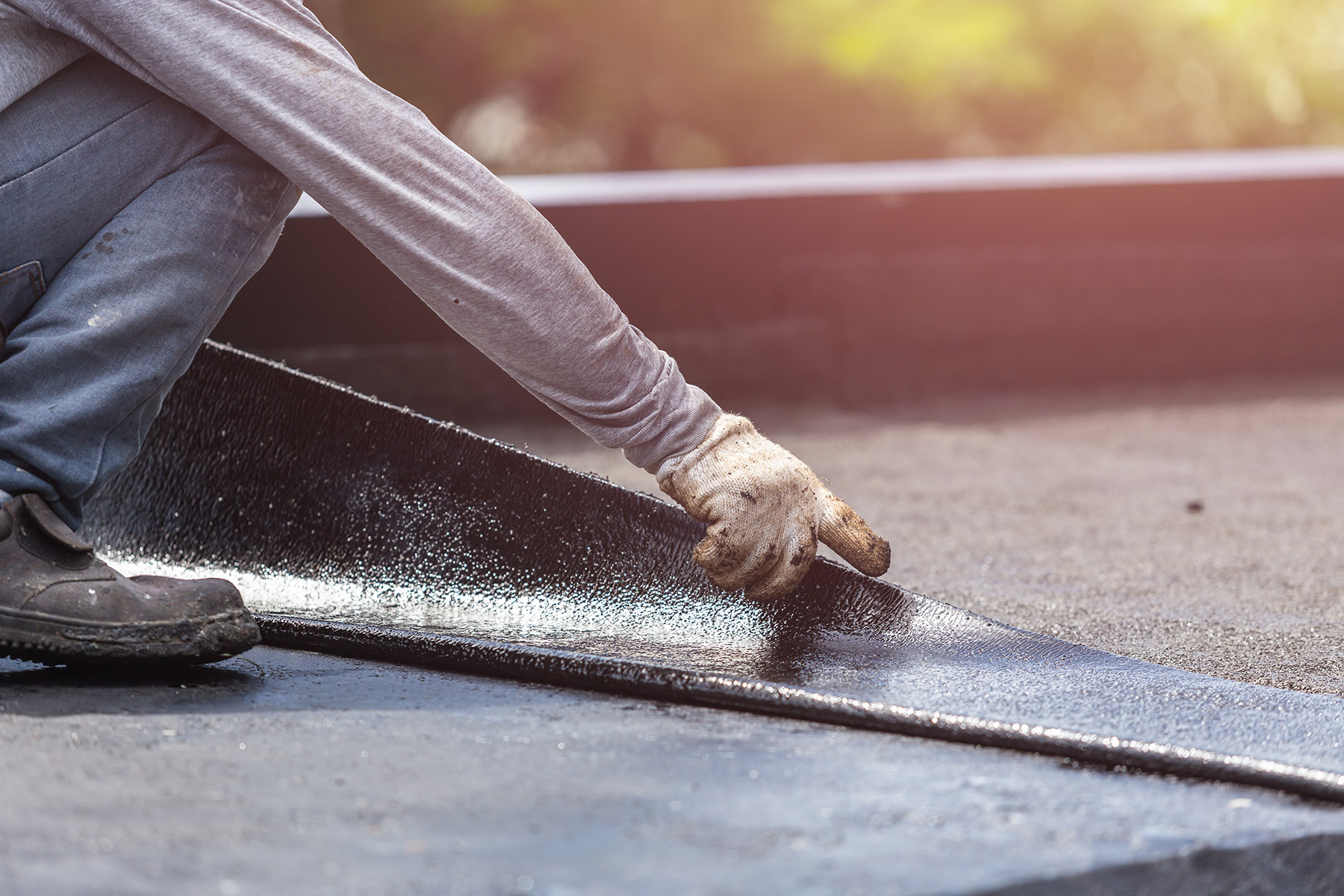
Torch-applied mod-bit requires a hot-work permit from the City of Fort Worth Building and Trade Services. We pull the permit, verify our crew's torch certification, and provide a fire-watch plan that meets the city's requirements. For buildings where torch application is restricted — some historic overlay buildings, occupied facilities — we specify cold-applied SBS or peel-and-stick systems that achieve the same result without open flame.
Modified Bitumen Roofing for Fort Worth commercial buildings
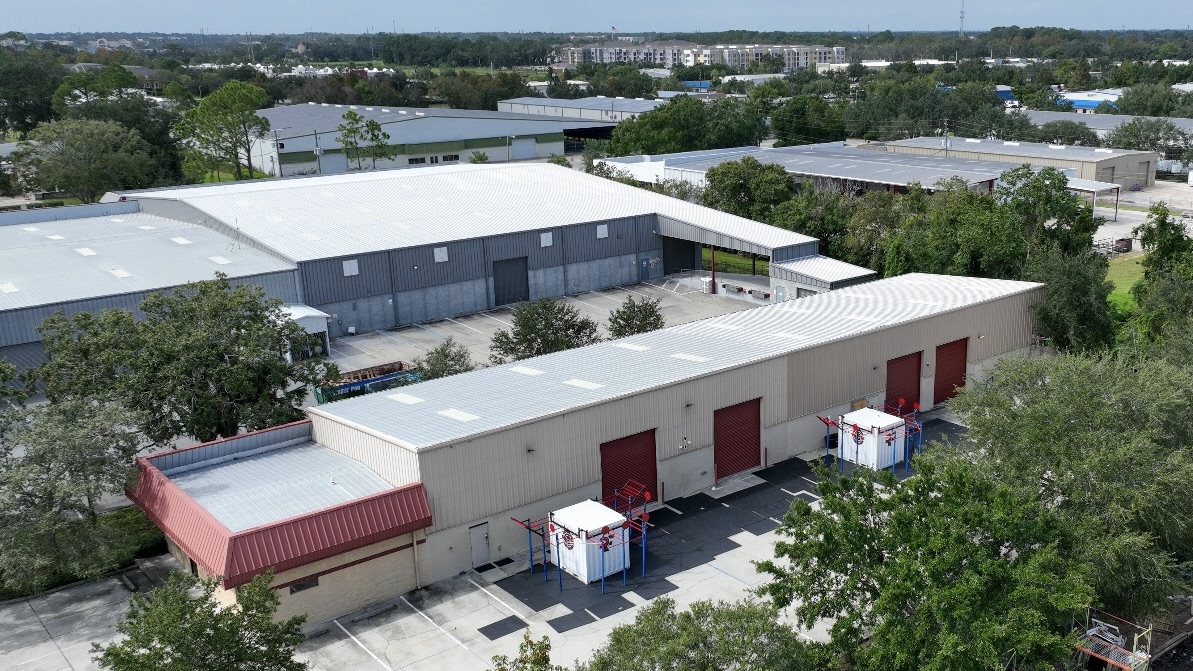
Commercial Roofers Fort Worth provides modified bitumen roofing as part of a commercial-only roofing practice serving Fort Worth, TX and the surrounding metro. We focus exclusively on flat and low-slope commercial roofs — offices, warehouses, retail, schools, medical, and industrial facilities — so the work is scoped by people who do this every day, not as a sideline to residential roofing.
Good modified bitumen roofing starts with knowing the roof. Before we recommend anything we document the existing assembly, its age and condition, drainage and flashing details, and any active or hidden moisture. That assessment drives a written scope so building owners and managers understand the problem, the options, and the cost before committing.
- Documented roof condition assessment up front
- Clear, itemized written scope of work
- Manufacturer-approved materials and installation details
- Coordination around occupancy and rooftop equipment
- Photo documentation and warranty paperwork at closeout
- A maintenance plan to protect the investment afterward
What to expect from the process
Once a scope for modified bitumen roofing is approved, we coordinate access, staging, and any tenant notifications so your building keeps operating. Commercial roofs rarely come offline, so we sequence the work to protect interiors, rooftop equipment, and daily operations throughout. You stay informed with progress updates rather than surprises.
At completion we hand over closeout documentation — photos, warranty registration, and a recommended maintenance schedule. For Fort Worth owners managing one building or a portfolio, that record keeps warranties valid and makes future budgeting straightforward.
Why it matters for Fort Worth owners
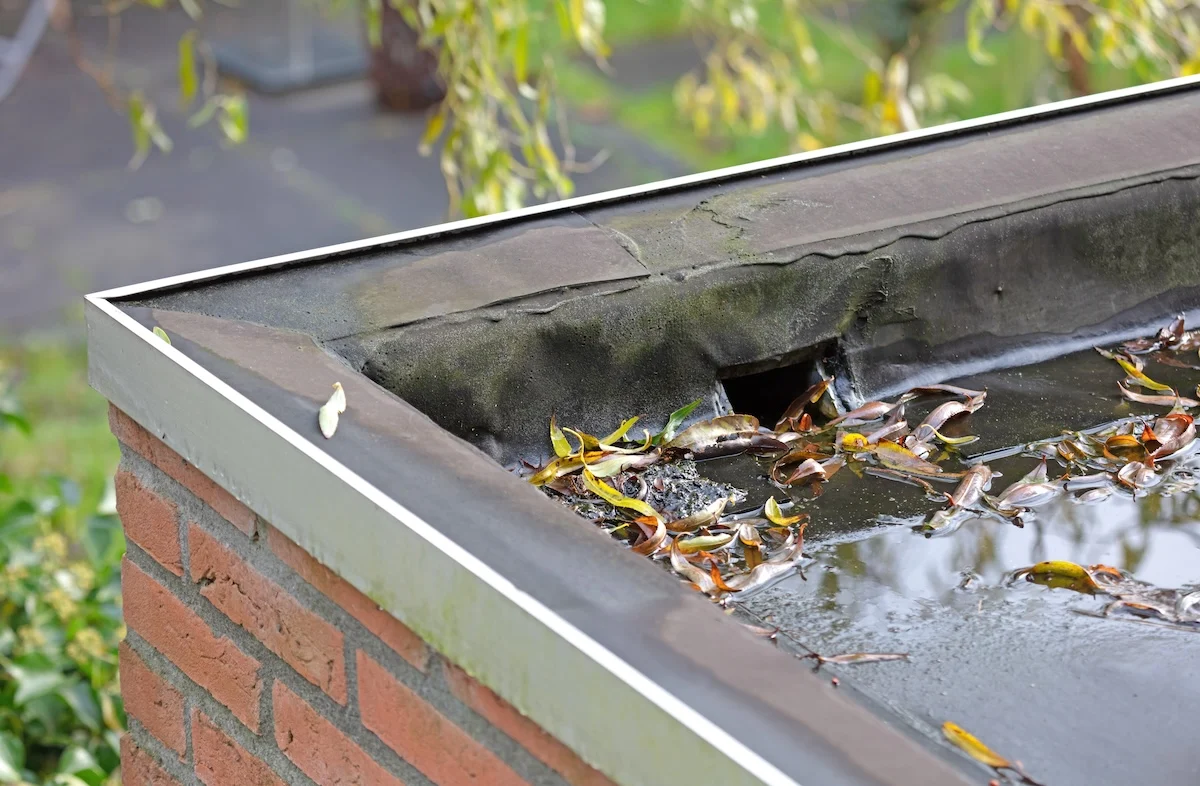
Deferring modified bitumen roofing usually costs more than doing it on schedule. Small membrane and flashing issues turn into wet insulation, interior damage, and shortened roof life. Staying ahead of them with the right scope and documentation protects both the building and the budget.
Call Commercial Roofers Fort Worth to discuss modified bitumen roofing for your Fort Worth commercial property. We will assess the roof, give you a written scope, and recommend the most cost-effective path — repair, restore, or replace.
Frequently Asked Questions
How quickly can Commercial Roofers Fort Worth respond to a leak?
For active leaks and water intrusion we prioritize same-day or next-day response across Fort Worth and the surrounding metro. We tarp or make a temporary dry-in immediately to stop interior damage, then schedule the permanent repair once the roof is dry and the source is confirmed. Emergency response is available 24/7, and existing maintenance clients move to the front of the queue.
Do you repair commercial roofs or only replace them?
Both — and we recommend the option the roof actually justifies. Many roofs have years of service life left and only need targeted repairs, flashing work, or a restoration coating. Replacement is recommended only when the membrane is failing, the insulation is saturated, or the cost of ongoing repairs no longer makes sense. You receive a written scope with the reasoning either way.
What roof systems do you install?
We install and service all major low-slope commercial assemblies: TPO, PVC, and EPDM single-ply membranes, modified bitumen, built-up roofing, standing-seam and other metal systems, and silicone or acrylic restoration coatings. We match the system to the building's use, budget, and ownership horizon rather than pushing a single product.
Will the work disrupt our building operations?
We plan around your operations. Projects are sequenced section by section on occupied buildings, access and noise windows are coordinated with facility staff, and rooftop equipment and interiors are protected throughout. Most modified bitumen roofing in Fort Worth is completed with minimal disruption to tenants and daily activity.
What documentation do we receive?
Every project includes a documented roof condition assessment up front and a full closeout package at the end: photos, an itemized scope, warranty registration, and a recommended maintenance schedule. That record keeps manufacturer warranties valid and makes future budgeting and capital planning far easier.