Infrared Moisture Scanning
Commercial Roofing Services for Fort Worth buildings: infrared moisture scanning is reviewed through roof condition, drainage, flashing, access, warranty status, and budget timing.
IR thermography lets us find saturated insulation in a commercial flat roof without cutting the membrane open. For Fort Worth buildings where the recover-versus-replace decision is in play, infrared scanning is the tool that answers the question accurately — and changes the scope and cost significantly when the answer is 'recover.'
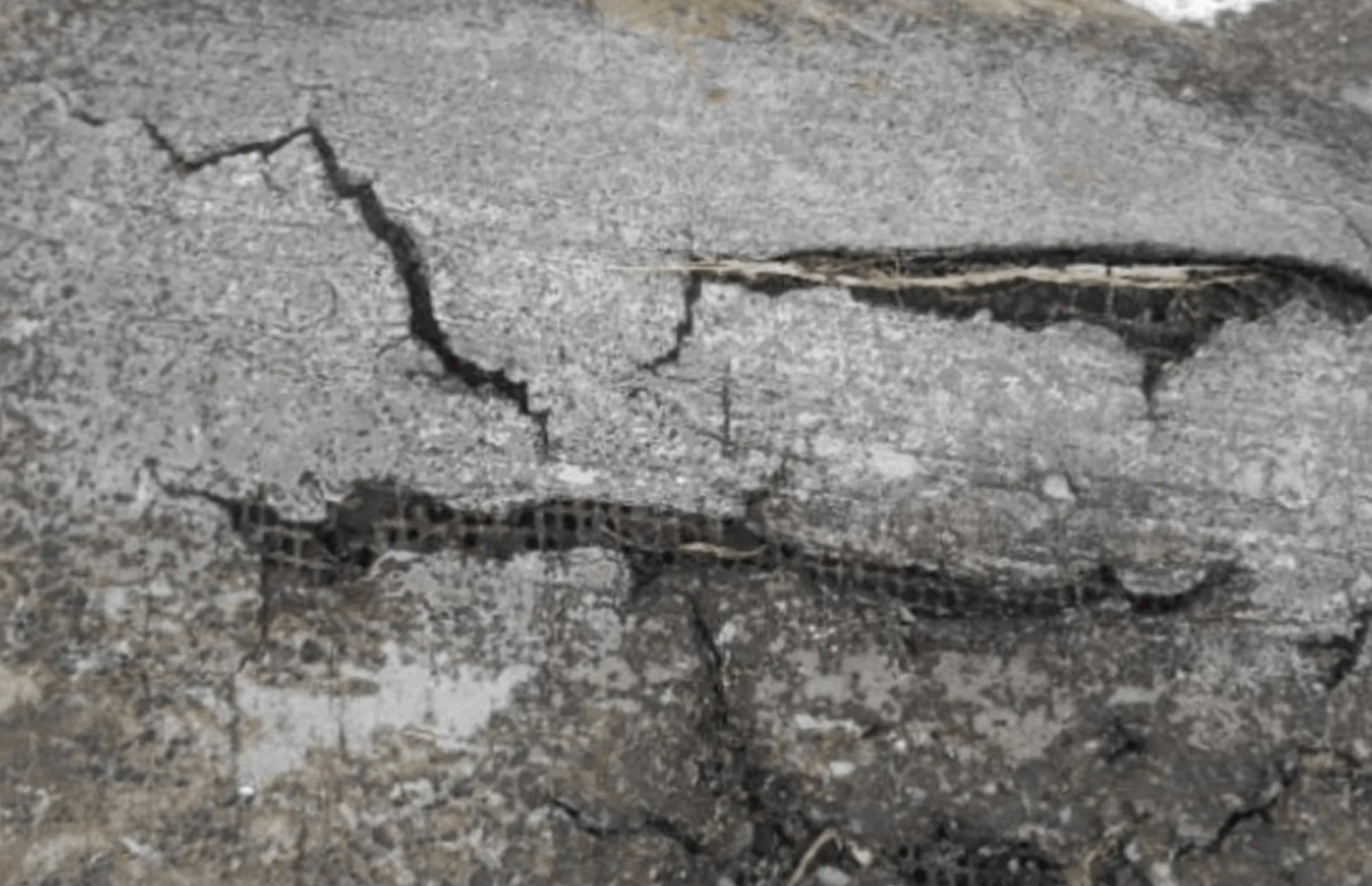
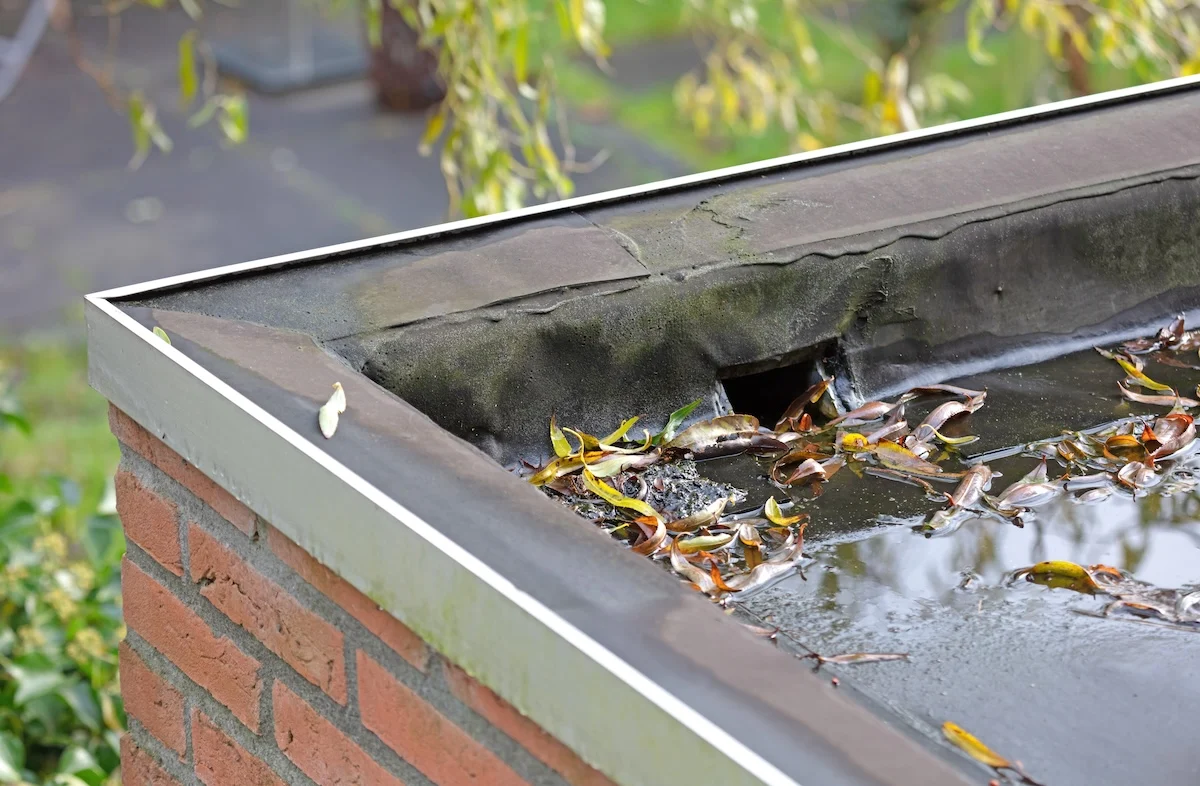
Water gets into a commercial flat roof through failed seams, deteriorated flashings, cracked penetration boots, or direct punctures. Once inside, it migrates laterally through insulation and can travel ten to fifteen feet from the entry point before it shows up as an interior ceiling stain. Cutting the membrane open to find it costs money and introduces new vulnerabilities. Infrared scanning finds the saturated insulation without cutting — using the temperature differential between wet and dry insulation as it releases stored heat after sunset.
Fort Worth's climate is well-suited to infrared scanning. Successful IR surveys require a significant temperature differential between the heated roof surface and the night air — typically 15°F or more — and a mostly clear sky so the roof can radiate heat. After a typical Fort Worth summer day (rooftop surface temperatures at 150–165°F cooling against evening ambient temperatures in the 80s), that differential is reliable from approximately one hour after sunset through midnight. We schedule scans accordingly.
We use FLIR-platform thermal cameras with sub-0.05°C NETD sensitivity calibrated for roofing applications, operated by inspectors certified to ASTM C1153 (the standard specifically governing IR evaluation of flat roofs). The output is a thermal mosaic of the roof surface, with suspected wet areas identified by their distinctive thermal signature, overlaid on a dimensioned roof plan so the repair or core-confirmation crew knows exactly where to go.
How Infrared Moisture Detection Works on Fort Worth Flat Roofs
Dry insulation heats during the day and releases that stored heat quickly after sunset. Saturated insulation — which has a much higher thermal mass than dry polyiso or dry mineral wool — retains the day's heat longer. The result is a measurable temperature difference between wet areas (warmer) and dry areas (cooler) during the two-to-four-hour window after sunset when the differential is maximum. Our cameras detect that signature and map it spatially across the roof.
The physics require specific field conditions to produce a reliable scan. The roof surface must have received direct solar gain for at least four hours that day — overcast days or heavily shaded roofs reduce the stored heat differential and produce ambiguous results. Wind above roughly 15 mph disturbs the thermal pattern and can mask wet-area signatures. We check weather forecasts before scheduling and reschedule if conditions are marginal — a scan conducted under poor conditions is worse than no scan, because it produces false confidence.
Fort Worth's spring and fall shoulder seasons (March–April and October–November) are the optimal scan windows. Summer nights are hot enough that the differential can be masked by ambient heat retention in the roof assembly, and winter nights cool the entire assembly so quickly that the scan window narrows. If a scan is needed in summer, we schedule as early after sunset as conditions allow and document the field conditions in the report so the results can be interpreted in context.
IR Scanning vs. Core Sampling — When Each Is Right
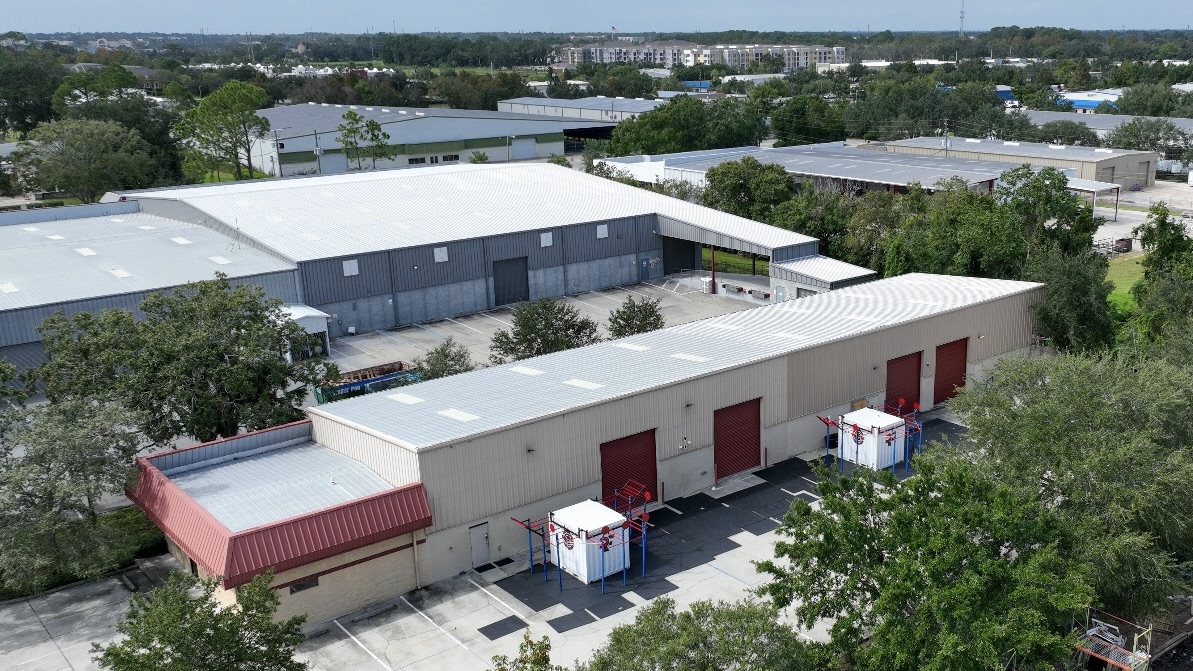
Infrared scanning is the right first step when you need to understand the extent and distribution of moisture in an existing roof before making a repair or replacement decision. It maps the wet areas across the whole roof quickly and non-destructively. For a 100,000 square foot building, an IR scan takes three to four hours and produces a spatial map of the moisture distribution. Cutting 100,000 square feet worth of cores to get the same information would be prohibitively destructive and expensive.
Core sampling is the right confirmation step after an IR scan identifies anomalies. A core pull at each suspect area physically verifies whether the IR signature represents actual moisture or an anomaly from something else — a thermal bridge, a density variation in the insulation, or an aggregate ballast pocket. We typically pull cores in ten to fifteen percent of the IR-flagged areas to calibrate the scan's accuracy against that specific roof system. If the cores confirm wet insulation at the flagged locations, we use the IR map as the moisture extent guide for the repair or replacement scope.
For the recover-versus-replace decision specifically: if IR scanning plus core confirmation shows more than 25 percent of the roof with saturated insulation, replacement is the honest scope. Recovering wet insulation traps the moisture, accelerates deck corrosion, and voids the new warranty. If the saturated area is under 25 percent and localized, targeted insulation replacement at wet areas followed by a recover can extend the roof 15–20 years at roughly half the cost of full replacement. That cost difference — which can easily be $300,000 on a 100,000 square foot roof — is the financial value of an accurate IR survey.
What the IR Report Delivers
Our infrared moisture reports include the thermal mosaic image set (individual frames and the stitched mosaic), a dimensioned roof plan with suspected wet areas drawn to scale and labeled by zone, field-condition documentation (ambient temperature, wind speed, solar gain record for the day, scan start and end time), and the core-sample results cross-referenced against the IR findings. The report is structured for use as supporting documentation in insurance claims, capital-planning presentations to ownership, or contractor bid requests for targeted insulation replacement.
For buildings where the moisture report drives a replacement decision, the IR data becomes the demolition scope guide. The crew knows before they start tearing the roof off which zones will definitely have wet insulation (demo to deck, new insulation required) and which zones are likely dry (demo to insulation, recover potential). That pre-knowledge reduces change-order risk significantly — the owner is not discovering the true scope of wet insulation after the demolition crew has the roof open.
We retain scan data for all buildings we survey and update the record with each subsequent scan. For buildings in the Stockyards historic district or the Near Southside medical office cluster where we have multi-year inspection relationships, the time-series of IR data shows how moisture infiltration is progressing — which is the best evidence for prioritizing capital allocation across a multi-building portfolio.
Schedule an infrared moisture scan for your Fort Worth commercial roof.
We will assess field conditions, schedule the scan in the optimal window for your Fort Worth building, and deliver a written report with a dimensioned moisture map within 48 hours.
Frequently Asked Questions
Can you scan my roof in the daytime?
Daytime scanning using reflected-sun passive thermography is possible but significantly less accurate for moisture detection in low-slope roofing applications. ASTM C1153 — the governing standard for IR evaluation of flat roofs — calls for nighttime scanning using the stored-heat differential protocol. We follow that standard. Daytime results can be useful for identifying obvious surface anomalies but should not be relied on for moisture-extent mapping that drives a replacement decision.
What is the minimum roof size that makes IR scanning worthwhile?
For roofs under roughly 10,000 square feet, the cost of the scan relative to the cost of a targeted core-sample program is worth evaluating case by case. For roofs over 20,000 square feet, IR scanning almost always delivers a better cost-per-square-foot of information than core sampling alone. Call us with your building's square footage and we will help you decide which approach makes sense.
Does my insurance company accept IR scan results as documentation?
Many carriers and adjusters accept IR scan reports as supporting documentation for claim scope when the report follows the ASTM C1153 protocol and is conducted by a certified thermographer. We document our inspector credentials and equipment calibration in every report specifically to support this use. Individual carriers vary — check with your adjuster before the scan if insurance use is the primary driver.
How do you access a large roof at night safely?
We use ladders or building-supplied roof access hatches and coordinate access with the building's maintenance staff or property management contact. We bring our own lighting for the access points. On buildings with freight elevators or rooftop penthouses, we work with your facilities team to arrange access in advance. Safety is not abbreviated for after-hours work — the same two-person minimum crew rule applies at night as during the day.