EPDM Roofing
Commercial Roofing Services for Fort Worth buildings: epdm roofing is reviewed through roof condition, drainage, flashing, access, warranty status, and budget timing.
EPDM is the legacy single-ply workhorse for Fort Worth industrial buildings. We install 60-mil new systems and replace the 1990s generation that is now at end of life across the Alliance and west Tarrant County industrial corridors.
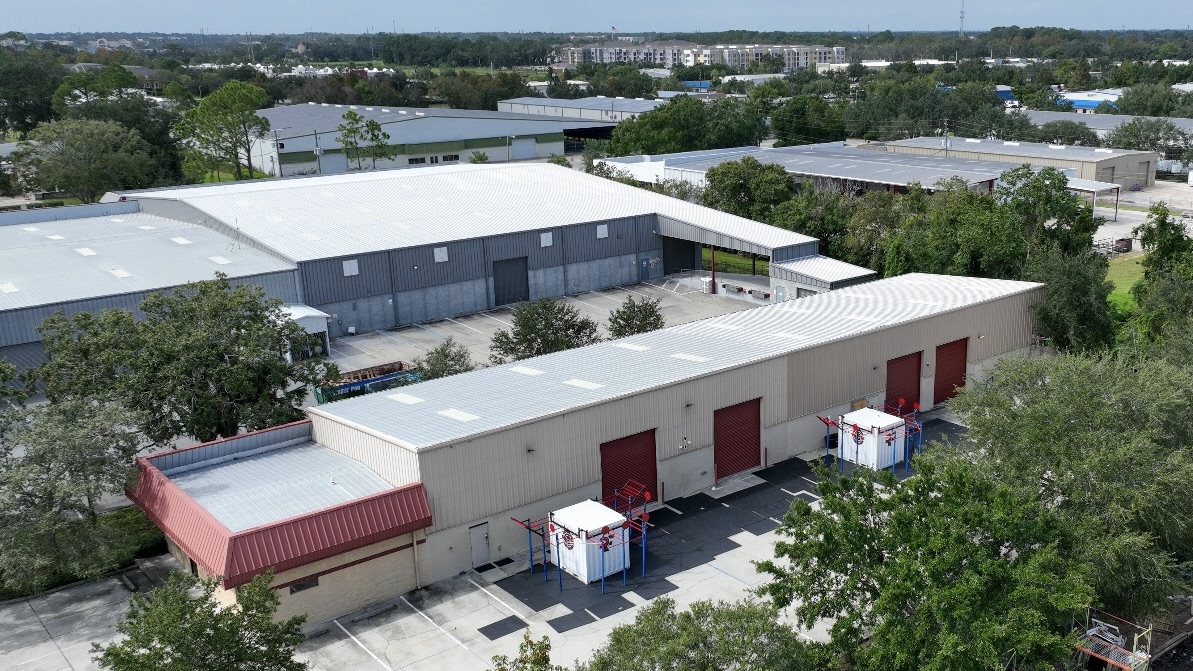
AllianceTexas in north Fort Worth is the largest mixed-use development in the country, and a significant percentage of the distribution and manufacturing buildings that opened in the 1995-2005 window were built on 45-mil and 60-mil EPDM roofs. Those buildings are now 20 to 30 years old. The original 45-mil systems are past warranted life. Many of the 60-mil systems installed with early-generation seam tape are showing seam delamination that cannot be repaired in place — the tape chemistry has degraded past the point where new tape bonds to old tape reliably. This generation of EPDM replacement work is running heavy across the AllianceTexas corridor and north Tarrant County through 2028.
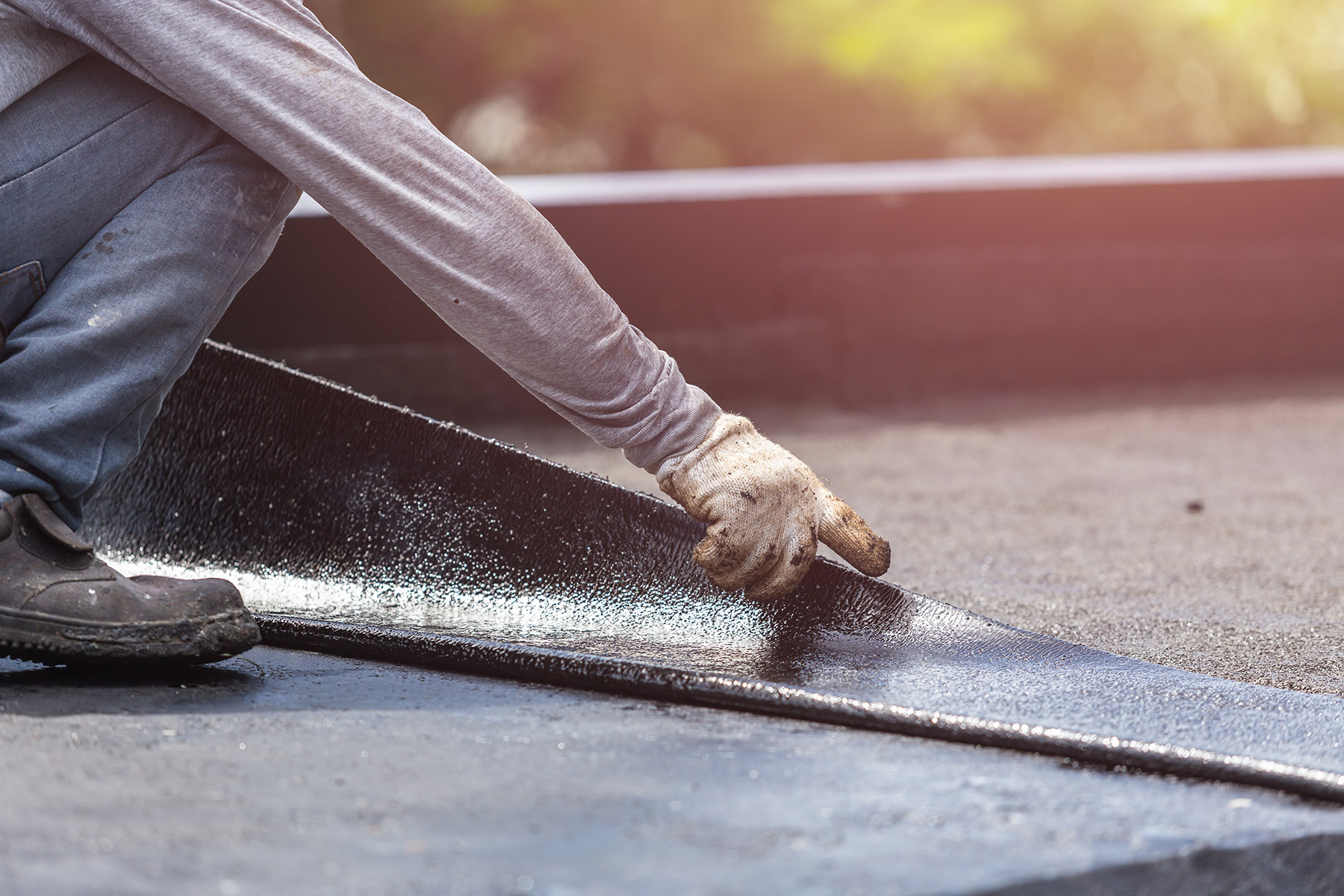
EPDM (ethylene propylene diene monomer) is a thermoset rubber membrane, which means it does not weld thermally the way TPO does — it bonds with liquid adhesive at seams and to substrates. That chemistry makes EPDM more forgiving in mechanically-attached applications with wide rib spacing (fastener patterns for EPDM mechanically-attached systems are typically wider than TPO because the membrane stretches rather than splitting at the fastener), but it also means that seam bonds depend on adhesive chemistry and surface cleanliness at installation. First-generation EPDM systems installed in the 1990s with seam tape that has since dried out are what we are replacing in volume today.
We install 60-mil EPDM as our standard specification for new Fort Worth industrial work — 45-mil has not been our standard since about 2010. For buildings with heavy rooftop equipment traffic or documented hail exposure above the 1.5-inch frequency threshold, we specify 60-mil with an HD cover board and recommend mechanically-attached attachment for inspection and repair access.
Mechanically Attached vs. Fully Adhered EPDM in the Fort Worth Context
Mechanically attached EPDM is the volume installation method for north Fort Worth industrial buildings. Fasteners and plates secure the membrane to the deck through the insulation at specified pattern density; the membrane overlaps run loose between fasteners and the roof assembly 'breathes' under thermal cycling. The Fort Worth thermal swing — surface temperatures ranging from below freezing in Uri-type events to 160 degrees Fahrenheit in July — is aggressive, and mechanically-attached systems handle it better than adhered systems where the adhesive bond has to flex with every temperature cycle.
Fully adhered EPDM uses field adhesive bonded continuously to the cover board, which eliminates the flapping membrane resonance that mechanically-attached systems can develop at seam edges in wind events. Fort Worth's west Tarrant County corridor sees storm-front wind exposure that other DFW submarkets do not — the fronts that track off the Llano Estacado hit the AllianceTexas and Lake Worth / Westworth Village corridors before they lose energy in the metro density. Fully adhered systems perform better in high-wind-exposure ratings, which is why we specify them for taller buildings and for buildings in Exposure C wind categories under the IBC.
The decision between mechanically attached and fully adhered drives membrane performance and cost differently. Mechanically attached is typically 15-20% lower installed cost and provides better vapor permeance for buildings with high interior humidity (industrial processes, food manufacturing). Fully adhered provides higher wind uplift resistance and better aesthetics. We run the wind-uplift calculation for every building before specifying attachment method — the engineering determines the spec, not the price point.
Replacing Legacy 1990s EPDM in Fort Worth
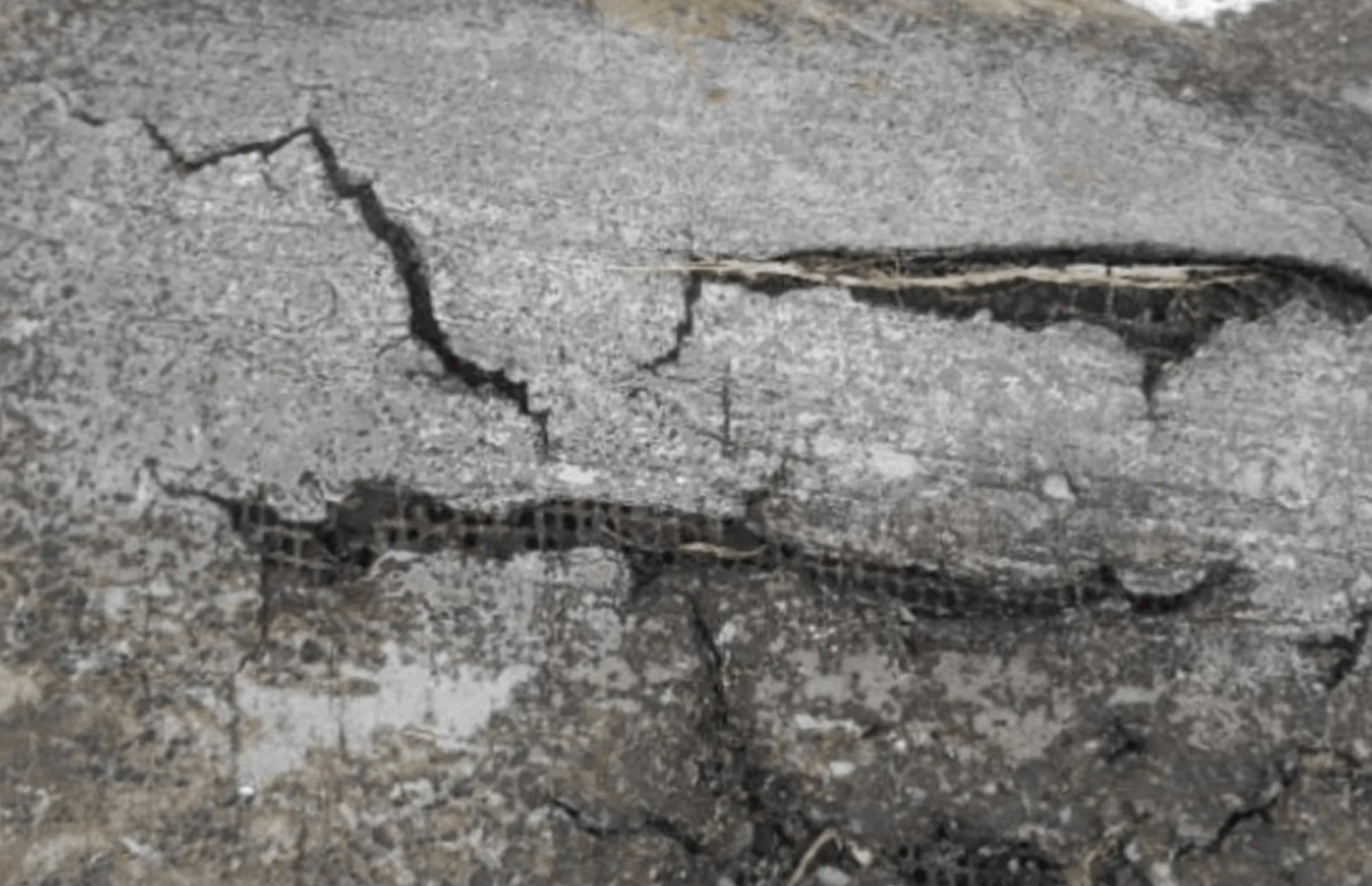
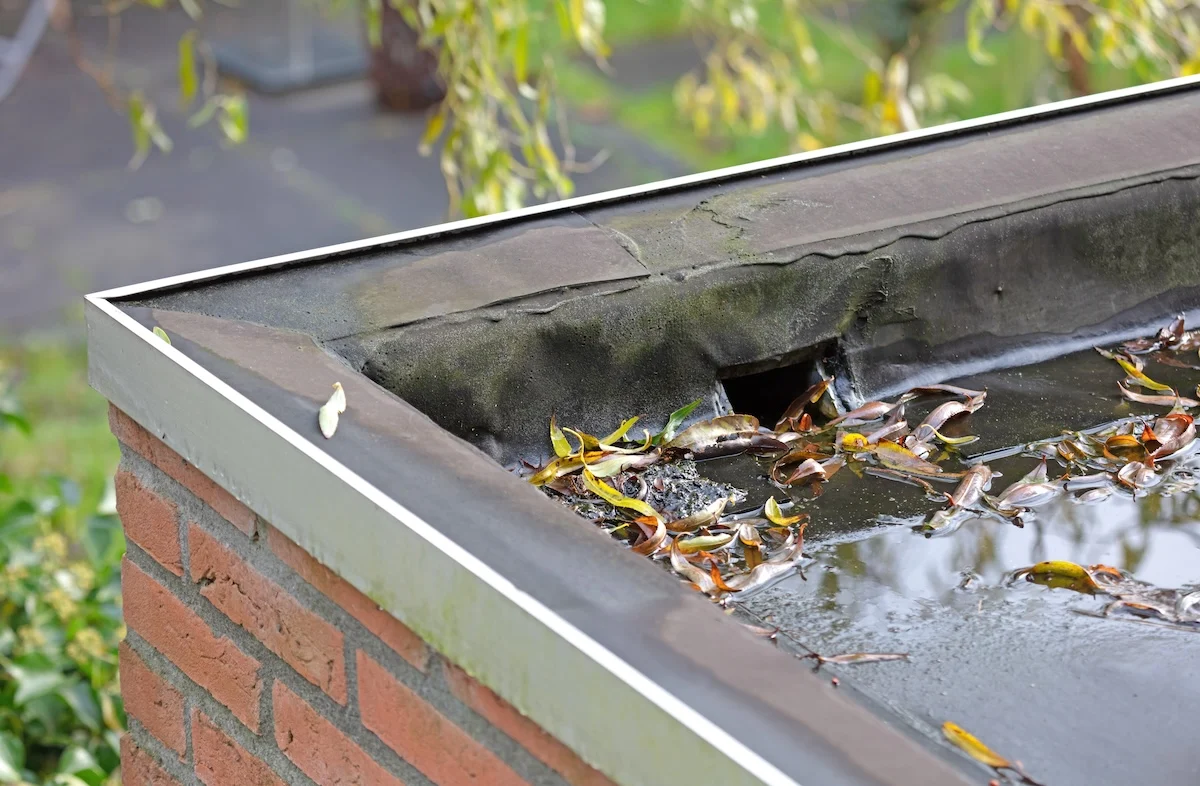
The 1990s EPDM generation across the Alliance corridor typically has seam tape failure as the primary failure mode. Original butyl seam tape from that era (pre-2000 chemistry) has reached end of adhesive life and is separating at the seam lap. These separations are often narrow — 1/16 to 1/8 inch — but they allow wind-driven water infiltration and, in hail events, direct water entry at the seam plane. The separations cannot be reliably re-taped because the old tape surface does not provide adequate bond to new tape.
Before we specify replacement, we assess the insulation condition with moisture cores. Many of these AllianceTexas-era buildings have dry insulation under the failed seams — the seam separation is recent and the water intrusion has not yet saturated the insulation layer. Where insulation is dry, we recover with new 60-mil EPDM over the existing system (cutting out and replacing localized wet insulation sections) at a meaningful cost savings versus full tear-off. Where insulation is wet beyond the recover threshold, we specify full replacement with new ISO insulation stack to current Fort Worth energy code.
- Moisture cores pulled at original seam locations and wet-area perimeters
- Recover vs. tear-off decision documented with core data before contract
- 60-mil EPDM standard specification; 45-mil not offered
- Seam adhesive and tape specified from current-generation chemistry, not legacy tape on legacy systems
- 20-year manufacturer NDL warranty on qualifying new systems
Have a Fort Worth industrial building on aging EPDM?
We will pull moisture cores, assess seam condition, and produce a written scope that tells you whether recover, coating, or replacement is the right call — with cost bands for each path.
Frequently Asked Questions
How long does 60-mil EPDM last in Fort Worth conditions?
Properly installed 60-mil EPDM with current-generation seam adhesive is warranted for 20 years and typically performs 25-30 years in Fort Worth industrial conditions. The primary life-limiting factor is seam adhesive chemistry aging, which is why the 1990s generation is failing now — the adhesive chemistry of that era had a shorter service life than current formulations. We document the install date, membrane lot number, and adhesive batch on every installation so the building owner has a concrete warranty clock.
Does EPDM hold up to Fort Worth hail?
Standard 60-mil EPDM can sustain hail impacts up to approximately 1.5-inch diameter without perforation. For Fort Worth industrial buildings in the high-hail-frequency corridor — the 1995 Mayfest event delivered stones well above that threshold across the west Tarrant County corridor — we specify 60-mil with an HD polyiso cover board, which upgrades the impact resistance to 2.5-inch. That combination qualifies for FM 4470 approval ratings that some insurance underwriters require for industrial properties.
Can EPDM be coated instead of replaced when it reaches end of life?
Yes, with qualifications. Silicone-over-EPDM is a documented system with 20-year warranty paths from several manufacturers. The EPDM substrate has to pass adhesion testing (specific silicone-compatible primer required — generic silicone will not bond to EPDM reliably), seams have to be sound, and insulation has to be dry. Where these conditions are met, coating is a cost-effective alternative to replacement. We assess both paths when we see an aging EPDM roof and present both cost bands in writing.